
Peripheral Laser Atherectomy: Advanced Treatment for Blocked Leg Arteries
Blocked leg arteries can significantly affect a person’s quality of life. Many people experience leg pain while walking, numbness, slow-healing wounds, or reduced mobility without realizing that poor blood circulation may be the underlying cause. One of the most advanced treatment options available today is Peripheral Laser Atherectomy, a minimally invasive procedure designed to restore blood flow in blocked peripheral arteries.
For patients seeking Peripheral Laser Atherectomy in Indore, this innovative technology offers new hope for treating complex arterial blockages and improving overall vascular health.
What Are Blocked Leg Arteries?
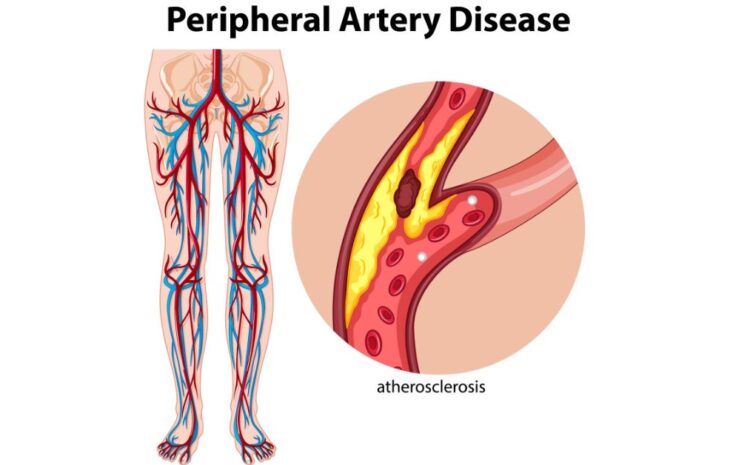
Blocked leg arteries are commonly caused by Peripheral Artery Disease (PAD), a condition in which fatty deposits, cholesterol, and calcium build up inside the arteries. As these deposits accumulate, blood flow to the legs becomes restricted.
Common symptoms include:
- Leg pain while walking (claudication)
- Cramping in the calves or thighs
- Cold feet or legs
- Numbness or weakness
- Slow-healing foot ulcers
- Skin discoloration
- Reduced walking distance
If left untreated, severe PAD can increase the risk of infections, tissue damage, and even limb loss.
What is Peripheral Laser Atherectomy?
Peripheral Laser Atherectomy is an advanced catheter-based procedure used to remove plaque and blockages from peripheral arteries. Unlike traditional treatments that simply push the blockage aside, laser atherectomy uses specialized laser energy to break down and vaporize plaque within the artery.
This helps restore blood flow while preserving the natural structure of the blood vessel.
The availability of Peripheral Laser Atherectomy in Indore represents a major advancement in vascular and cardiac care, offering patients access to cutting-edge treatment closer to home.
How Does Peripheral Laser Atherectomy Work?
The procedure is performed through a small puncture in the artery.
Step 1: Catheter Insertion
A thin catheter equipped with a laser device is inserted into the affected artery.
Step 2: Laser Plaque Removal
The laser emits controlled energy that vaporizes plaque and clears the blockage.
Step 3: Blood Flow Restoration
Once the obstruction is removed, blood can flow more freely through the artery.
Step 4: Additional Treatment if Needed
In some cases, balloon angioplasty or stent placement may be performed to further improve blood circulation.
Since the procedure is minimally invasive, recovery is generally faster compared to open vascular surgery.
Benefits of Peripheral Laser Atherectomy
Effective Removal of Complex Blockages
Laser atherectomy can treat difficult blockages that may not respond well to conventional balloon angioplasty alone.
Improved Blood Circulation
The procedure restores blood flow to the legs, reducing symptoms and improving mobility.
Reduced Risk of Limb Loss
For patients with severe PAD or diabetic foot complications, early treatment can help prevent serious outcomes.
Minimally Invasive Approach
No large surgical incisions are required, resulting in less discomfort and quicker recovery.
Better Quality of Life
Many patients experience reduced pain, increased walking distance, and improved daily function after treatment.
Peripheral Laser Atherectomy and Diabetic Patients
People with diabetes are at a higher risk of developing peripheral artery disease. Reduced blood flow can delay wound healing and increase the risk of foot ulcers.
Peripheral Laser Atherectomy in Indore offers an advanced treatment option for diabetic patients by improving circulation and supporting wound healing, potentially reducing the risk of amputation.
Why Expert Evaluation Matters
Not every patient with leg pain requires laser atherectomy. Proper diagnosis through vascular assessment, Doppler studies, angiography, and clinical evaluation is essential to determine the most appropriate treatment plan.
Patients seeking comprehensive cardiovascular and vascular care often consult cardiologist of Indore, Dr. Sarita Rao, for expert assessment and personalized treatment recommendations. With advancements in interventional cardiology and vascular procedures, patients can now access modern treatment options designed to improve both heart and vascular health.
Peripheral Artery Disease can significantly impact daily life, but timely diagnosis and advanced treatment can make a remarkable difference. Peripheral Laser Atherectomy is an innovative solution that effectively removes arterial blockages, restores circulation, and helps patients regain mobility and comfort.
For individuals looking for Peripheral Laser Atherectomy in Indore, early consultation and expert evaluation are essential. Under the guidance of experienced specialists such as Dr. Sarita Rao, patients can benefit from advanced vascular care and treatment strategies aimed at improving long-term health outcomes.
Frequently Asked Questions (FAQs)
1. What is Peripheral Laser Atherectomy?
Peripheral Laser Atherectomy is a minimally invasive procedure that uses laser technology to remove plaque and blockages from peripheral arteries.
2. Who is a candidate for Peripheral Laser Atherectomy?
Patients with Peripheral Artery Disease (PAD), blocked leg arteries, diabetic foot complications, or poor circulation may be candidates for the procedure.
3. Is Peripheral Laser Atherectomy painful?
The procedure is generally performed under local anesthesia, and most patients experience minimal discomfort.
4. How long does the procedure take?
The duration varies depending on the severity of the blockage but typically takes between one and two hours.
5. What are the benefits of Peripheral Laser Atherectomy?
Benefits include improved blood flow, relief from leg pain, faster recovery, reduced risk of limb loss, and effective treatment of complex arterial blockages.
Write a Comment