
Transcatheter Aortic Valve Implantation (TAVI), also called transcatheter aortic valve replacement (TAVR), is an advanced minimally invasive cardiac procedure used to replace a damaged or narrowed aortic valve without traditional open-heart surgery. TAVI treatment in Indore may be considered for selected patients with severe aortic valve disease, depending on their overall health and clinical assessment.
The procedure is commonly recommended for patients with severe aortic stenosis, a condition in which the aortic valve becomes narrowed and restricts normal blood flow from the heart to the body.
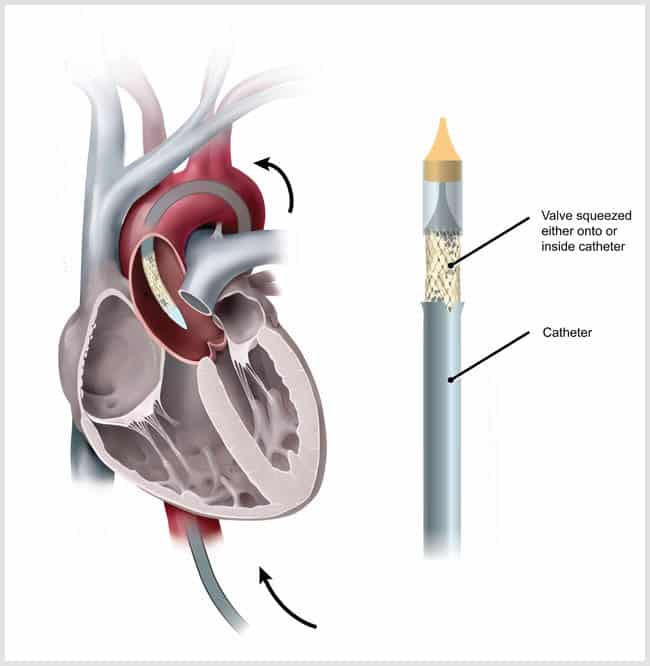
During TAVI, a specialized catheter carrying an artificial valve is guided through a blood vessel, commonly from the groin, toward the heart. The replacement valve is then positioned within the damaged aortic valve to help restore normal blood flow.
Similar to a stent-based approach, the TAVI procedure delivers a collapsible replacement valve to the valve site through a catheter. Once the new valve is expanded, it pushes the diseased valve leaflets aside, allowing the replacement valve to regulate blood flow.
TAVI is a less invasive alternative to conventional surgical aortic valve replacement for appropriately selected patients. It may be considered particularly for elderly or higher-risk patients who may not be suitable candidates for traditional open-heart surgery. A detailed evaluation by a cardiac team is essential to determine whether TAVI is appropriate.
TAVI may be recommended for patients suffering from severe aortic valve narrowing or structural heart valve disease affecting normal heart function.
Timely evaluation and treatment of aortic valve disease can help improve blood circulation, heart function, and overall quality of life. Consulting a TAVI doctor in Indore can help determine whether TAVI is an appropriate treatment option.
Step 1: Preparation
The procedure is performed in a specialized cath lab or hybrid operating theater under local or general anesthesia based on the patient’s condition.
Step 2: Catheter Insertion
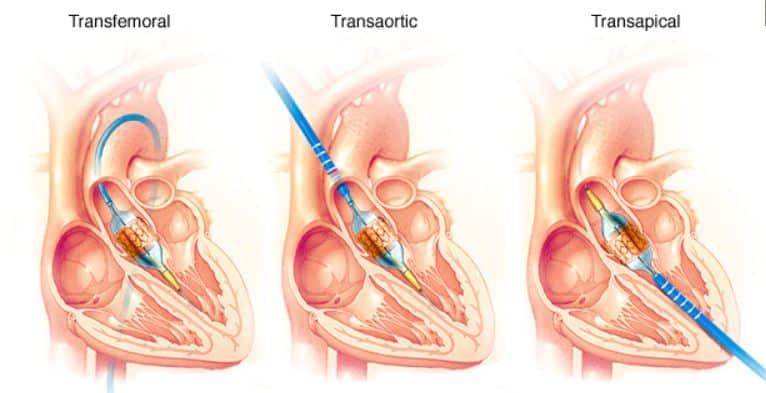
A thin catheter carrying the replacement valve is inserted through the groin or collarbone blood vessel and guided toward the heart.
Step 3: Valve Positioning
The new artificial valve is carefully positioned inside the damaged or diseased aortic valve using advanced imaging guidance.
Step 4: Valve Deployment
The replacement valve is expanded either through a balloon-assisted system or a self-expanding mechanism.
Step 5: Blood Flow Restoration
The new valve immediately begins functioning and improves blood flow from the heart to the body.
After successful valve implantation, the catheter is removed, and the patient is monitored during recovery.
TAVI offers less invasive valve replacement, faster recovery, and improved blood flow for suitable patients. Consult Dr. Sarita Rao, TAVI specialist in Indore, for personalised evaluation.
TAVI is considered a safe and minimally invasive alternative to open-heart surgery for treating severe aortic stenosis and a highly effective structural heart procedure when performed by experienced interventional cardiologists and heart teams.
Although generally safe, potential risks may include:
Dr. Sarita Rao uses advanced imaging technology, precise procedural planning, and modern valve systems to ensure optimal safety and successful outcomes.
Recovery after TAVI is generally faster compared to traditional valve replacement surgery.
Most patients experience significant improvement in symptoms such as breathlessness, fatigue, and reduced exercise tolerance after recovery.
TAVI is a minimally invasive catheter-based valve replacement procedure, while open-heart surgery requires surgical chest opening and a longer recovery.
TAVI is commonly recommended for elderly patients, high-risk surgical candidates, or patients with severe aortic stenosis unsuitable for conventional surgery.
The procedure is generally associated with minimal discomfort and is performed under local or general anesthesia.
The procedure typically takes 1 to 2 hours, depending on the patient’s condition and the procedural complexity.
Most patients recover more quickly than those undergoing open-heart surgery and can resume normal activities gradually within a few weeks.
Yes. TAVI is specifically designed as a minimally invasive alternative for elderly and high-risk patients with severe valve disease.
Far far away, behind the word mountains, far from the countries Vokalia and Consonantia, there live the blind texts. Separated they live in Bookmarksgrove right at the coast
Far far away, behind the word mountains, far from the countries Vokalia and Consonantia, there live the blind texts. Separated they live in Bookmarksgrove right at the coast
Far far away, behind the word mountains, far from the countries Vokalia and Consonantia, there live the blind texts. Separated they live in Bookmarksgrove right at the coast
Far far away, behind the word mountains, far from the countries Vokalia and Consonantia, there live the blind texts. Separated they live in Bookmarksgrove right at the coast
Far far away, behind the word mountains, far from the countries Vokalia and Consonantia, there live the blind texts. Separated they live in Bookmarksgrove right at the coast
Far far away, behind the word mountains, far from the countries Vokalia and Consonantia, there live the blind texts. Separated they live in Bookmarksgrove right at the coast