
Laser Atherectomy in Indore
Advanced coronary angiography procedures for accurate diagnosis of heart blockage, chest pain, and cardiovascular disease by Dr. Sarita Rao, Senior Interventional Cardiologist at Apollo Hospitals Indore.

Laser Atherectomy in Indore

What is Laser Atherectomy?

Laser Atherectomy is an advanced minimally invasive coronary intervention that uses high-energy laser pulses to remove or vaporize plaque, blood clots, cholesterol deposits, and other blockages from inside the arteries.

The procedure is particularly useful in patients with complex coronary artery disease where conventional angioplasty balloons or guidewires may not effectively cross or treat the blockage.

Using a specialized laser catheter, controlled bursts of ultraviolet laser energy are delivered directly to the blockage. The laser vaporizes the obstructing material into microscopic particles, helping restore blood flow and prepare the artery for further treatment such as angioplasty or stent implantation.

Laser Atherectomy offers a highly precise treatment option for difficult coronary lesions while minimizing trauma to surrounding blood vessels.
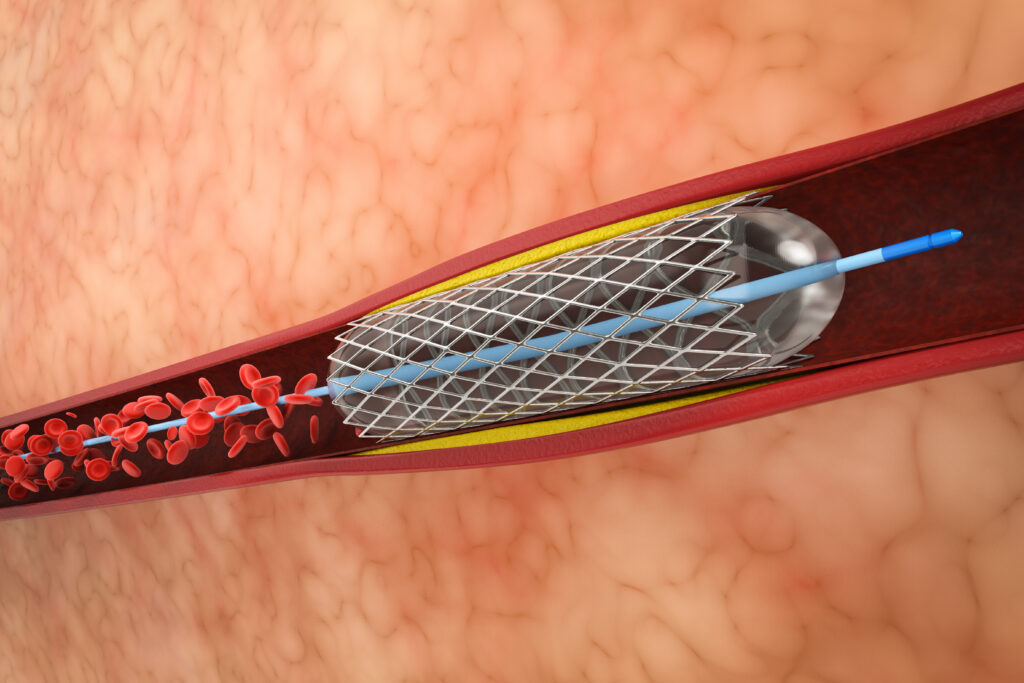
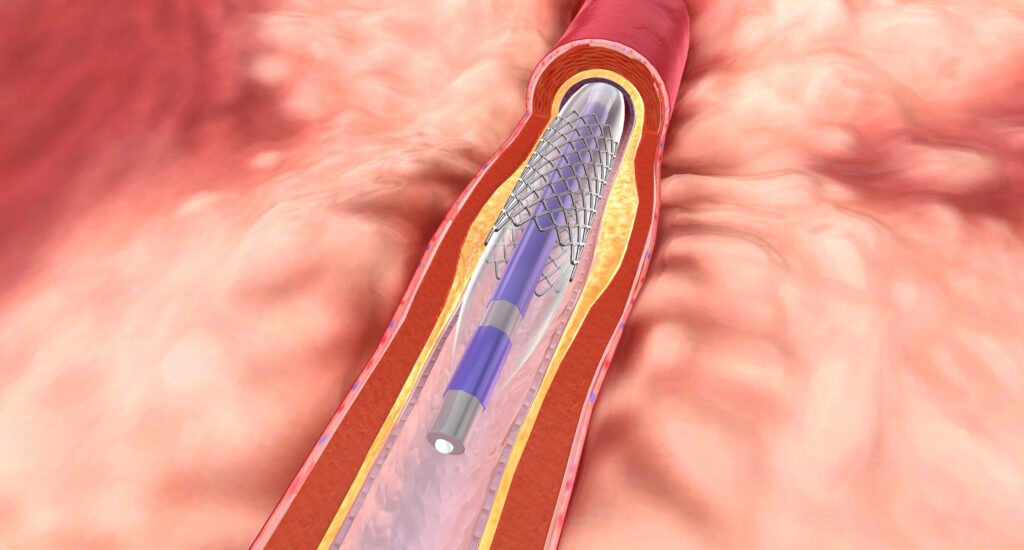
Laser Atherectomy

Who May Need Laser Atherectomy?

When is Laser Atherectomy Recommended?

Laser Atherectomy may be recommended for patients with complex coronary artery blockages that are difficult to treat with standard angioplasty techniques.

Common Conditions Requiring Laser Atherectomy

Early treatment can help restore blood flow, improve symptoms, and reduce the risk of serious cardiac complications.

Conditions Laser Atherectomy Can Treat

Advanced Applications of Laser Atherectomy

In-Stent Restenosis

Treats scar tissue and plaque buildup that develops inside previously implanted stents.

In-Stent Restenosis (ISR) occurs when an artery becomes narrowed again inside a previously implanted coronary stent, often due to tissue growth or plaque buildup. It can reduce blood flow and cause symptoms such as chest discomfort or shortness of breath. Treatment may involve balloon angioplasty, drug-coated balloons, atherectomy or placement of another stent, depending on the cause and severity of the restenosis. Detailed imaging may help determine the appropriate treatment strategy.

Thrombotic Coronary Lesions

Effective in reducing clot burden within blocked coronary arteries.

Thrombotic Coronary Lesions involve the presence of a blood clot (thrombus) within a coronary artery, which can restrict or completely block blood flow to the heart. Treatment may involve catheter-based techniques to reduce clot burden and restore coronary blood flow, depending on the clinical situation. In selected cases, thrombectomy, balloon angioplasty and stent implantation may be considered as part of the overall treatment strategy. The approach depends on the location of the clot, extent of blockage and patient's clinical condition.

Chronic Total Occlusions (CTO)

Helps cross and modify completely blocked coronary arteries.
Chronic Total Occlusion (CTO) Intervention is an advanced coronary procedure used to treat arteries that have been completely blocked for an extended period. Specialized catheter techniques are used to carefully cross the total blockage and restore blood flow through the affected artery. Depending on the lesion's complexity, techniques such as antegrade or retrograde approaches, specialized guidewires and plaque-modification methods may be used. After successful crossing and vessel preparation, balloon angioplasty and stent implantation may be performed in selected patients.

Complex Coronary Artery Disease

Useful when conventional angioplasty tools cannot adequately treat the blockage.
Complex Coronary Artery Disease refers to challenging coronary blockages that may involve multiple vessels, severe calcification, long or completely blocked lesions, or difficult-to-access arteries. In selected cases where conventional angioplasty tools may not adequately treat the blockage, advanced techniques such as atherectomy, intravascular lithotripsy (IVL), specialized crossing methods and intravascular imaging may be used. These approaches can help prepare the artery for angioplasty and stent implantation based on the patient’s individual anatomy and clinical condition.

Calcified Coronary Lesions

Can be used alongside other plaque modification technologies in selected calcified blockages.
Calcified Coronary Lesions are coronary artery blockages where calcium deposits make the artery wall hard and less flexible, which can make balloon angioplasty and stent placement more challenging. In selected patients, advanced plaque-modification techniques such as rotablation, orbital atherectomy or intravascular lithotripsy (IVL) may be used to prepare the lesion before angioplasty and stenting. Treatment is planned according to the severity, location and characteristics of the calcification.

How Laser Atherectomy is Performed

Step-by-Step Laser Atherectomy Procedure

 Step 1: Preparation

The procedure is performed under local anesthesia with continuous cardiac monitoring.

Step 2: Catheter Insertion

A thin catheter is inserted through the wrist or groin artery and guided toward the blocked coronary artery.

Step 3: Laser Catheter Positioning

A specialized laser catheter is carefully advanced to the site of the blockage.

Step 4: Laser Energy Delivery

Controlled laser pulses are delivered to vaporize plaque, clot, cholesterol deposits, and obstructive material.

Step 5: Artery Reopening

The blockage is cleared, restoring blood flow and creating a pathway for additional treatment if required.

Step 6: Artery Reopening

Depending on the condition, angioplasty or stent implantation may be performed to optimize long-term results.

Benefits of Laser Atherectomy

Advantages of Laser Atherectomy Treatment

  • Minimally invasive coronary intervention
  • Precise plaque and clot removal
  • Effective for re-blocked stents
  • Useful in difficult coronary artery lesions
  • Helps restore blood flow quickly
  • Facilitates successful angioplasty and stenting
  • Minimal trauma to surrounding tissues
  • Effective in small and tortuous vessels
  • Short hospital stay
  • Faster recovery compared to surgical procedures

Is Laser Atherectomy Safe?

Risks & Safety Considerations

Laser Atherectomy is considered a safe and effective treatment for selected patients with complex coronary artery disease when performed by experienced interventional cardiologists.

Although complications are uncommon, potential risks may include:

  • Minor bleeding or bruising
  • Blood vessel injury
  • Temporary heart rhythm disturbances
  • Artery dissection in rare cases
  • Contrast dye reaction
  • Temporary chest discomfort

Dr. Sarita Rao uses advanced laser technology, precise imaging guidance, and evidence-based treatment protocols to maximize safety and procedural success.

Recovery & Aftercare Guidelines

Recovery After Laser Atherectomy

Most patients recover quickly after Laser Atherectomy and can resume normal daily activities within a few days based on medical advice.

Recovery Recommendations

  • Follow prescribed medications carefully
  • Maintain cholesterol and blood pressure control
  • Avoid smoking and tobacco products
  • Follow a heart-healthy diet
  • Stay physically active as advised
  • Attend scheduled follow-up appointments

Long-term preventive cardiac care helps maintain healthy blood flow and reduce future artery blockages.

FAQs

Frequently Asked Questions

Laser Atherectomy is used to remove plaque, blood clots, cholesterol buildup, and difficult coronary blockages that cannot be treated effectively with standard angioplasty alone.

Laser Atherectomy is not a replacement for angioplasty. It is often used before angioplasty to prepare complex blockages for successful treatment.

Yes. Laser Atherectomy is one of the most effective treatments for in-stent restenosis, where a previously implanted stent becomes narrowed again.

The procedure is usually performed under local anesthesia, and most patients experience minimal discomfort.

The procedure generally takes between 1 and 2 hours depending on the complexity of the blockage.

Yes. Laser technology can effectively reduce clot burden in selected coronary artery blockages.

Far far away, behind the word mountains, far from the countries Vokalia and Consonantia, there live the blind texts. Separated they live in Bookmarksgrove right at the coast

Far far away, behind the word mountains, far from the countries Vokalia and Consonantia, there live the blind texts. Separated they live in Bookmarksgrove right at the coast

Far far away, behind the word mountains, far from the countries Vokalia and Consonantia, there live the blind texts. Separated they live in Bookmarksgrove right at the coast

Far far away, behind the word mountains, far from the countries Vokalia and Consonantia, there live the blind texts. Separated they live in Bookmarksgrove right at the coast

Far far away, behind the word mountains, far from the countries Vokalia and Consonantia, there live the blind texts. Separated they live in Bookmarksgrove right at the coast

Far far away, behind the word mountains, far from the countries Vokalia and Consonantia, there live the blind texts. Separated they live in Bookmarksgrove right at the coast