
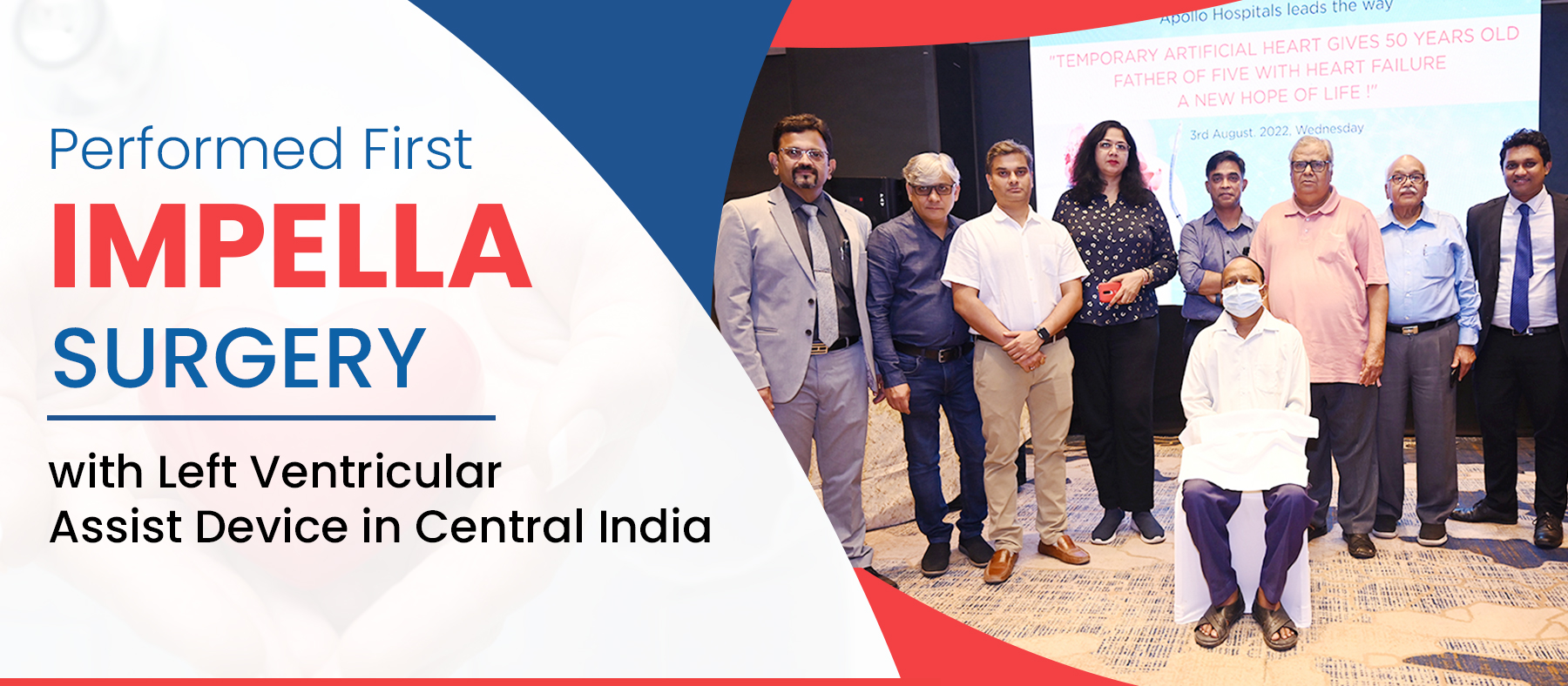

Personalized Healthcare
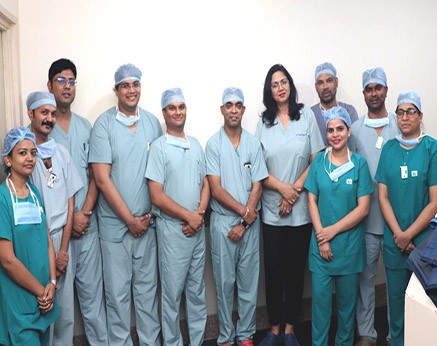
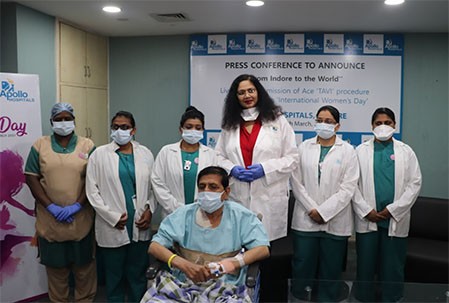
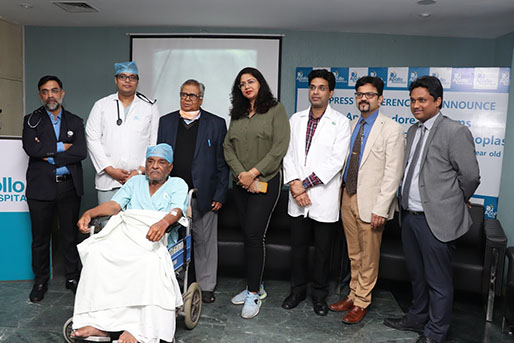
Professional team
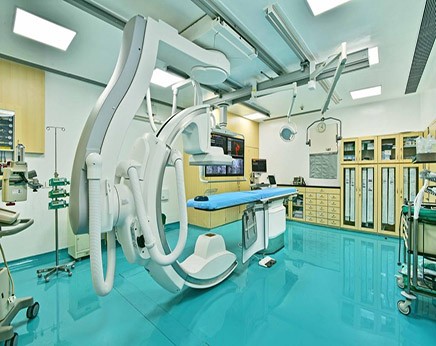
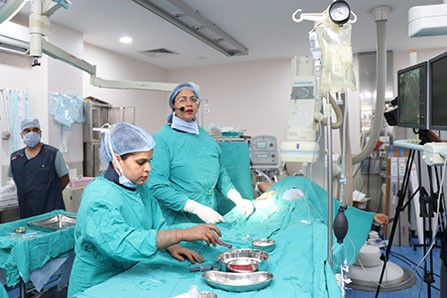
Latest Technology

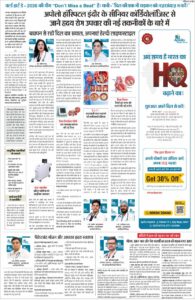
Angiography
Angiography is a diagnostic imaging procedure that uses contrast dye and X-rays to visualize blood vessels, helping doctors detect blockages, narrowing, or other vascular abnormalities accurately.
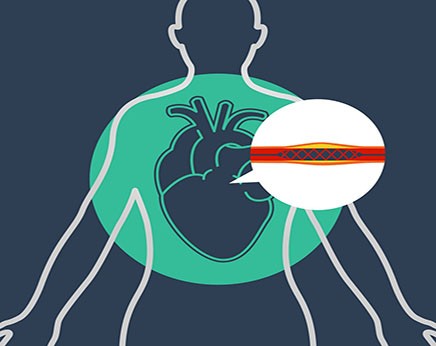
Angioplasty
It is a minimally invasive procedure that opens blocked or narrowed heart arteries using a balloon and stent, restoring blood flow, improving circulation, and reducing heart-related symptoms effectively and safely.
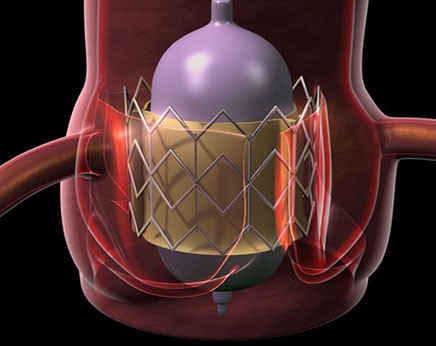
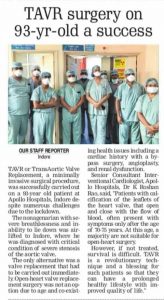
TAVI
TAVI is a minimally invasive procedure that replaces a narrowed aortic valve using a catheter, improving blood flow and relieving symptoms without traditional open-heart surgery in suitable patients safely and effectively.
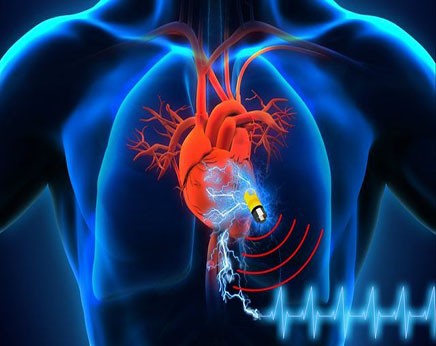
Pacemaker
A pacemaker is a small device implanted under the skin to regulate abnormal heart rhythms by sending electrical impulses, helping maintain a steady heartbeat and supporting healthy heart function effectively.
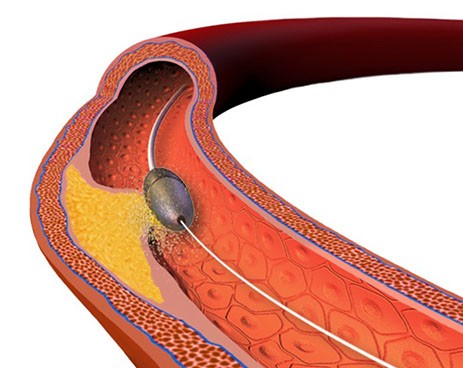
Rotablation
It is a minimally invasive procedure that uses a tiny rotating device to remove hardened calcium from blocked coronary arteries, improving blood flow & facilitating effective stent placement safely.
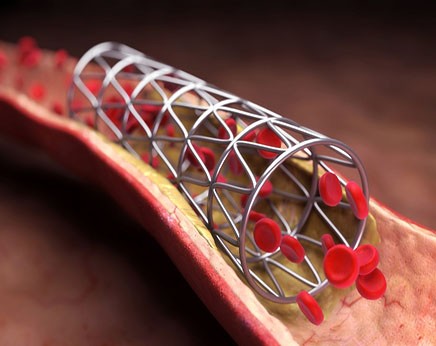
Stent implantation
Stent implantation is a minimally invasive procedure that places a small mesh tube inside a narrowed artery, helping restore blood flow, keep the artery open, and improve circulation effectively.
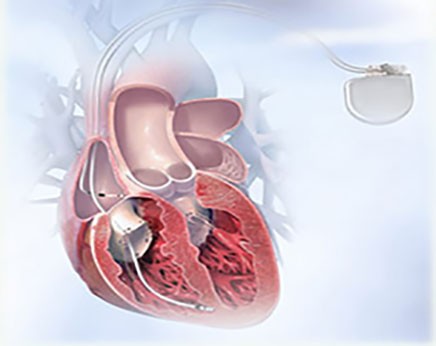
AICD
An AICD is a device implanted to monitor heart rhythm and deliver electrical shocks when dangerous abnormal rhythms occur, helping restore normal rhythm and reduce the risk of sudden cardiac arrest.
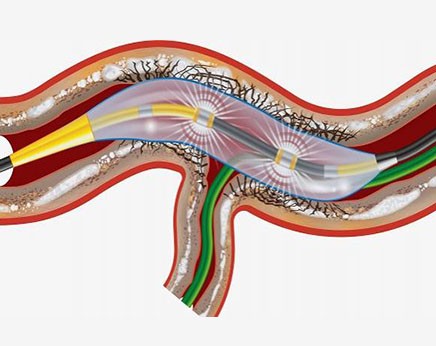
Shockwave Lithotripsy
Shockwave Lithotripsy (IVL) is a minimally invasive procedure that uses sonic pressure waves to break hardened calcium in blocked arteries, helping prepare vessels for balloon expansion & effective stent placement.
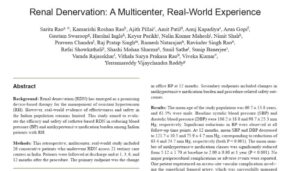
Renal Denervation
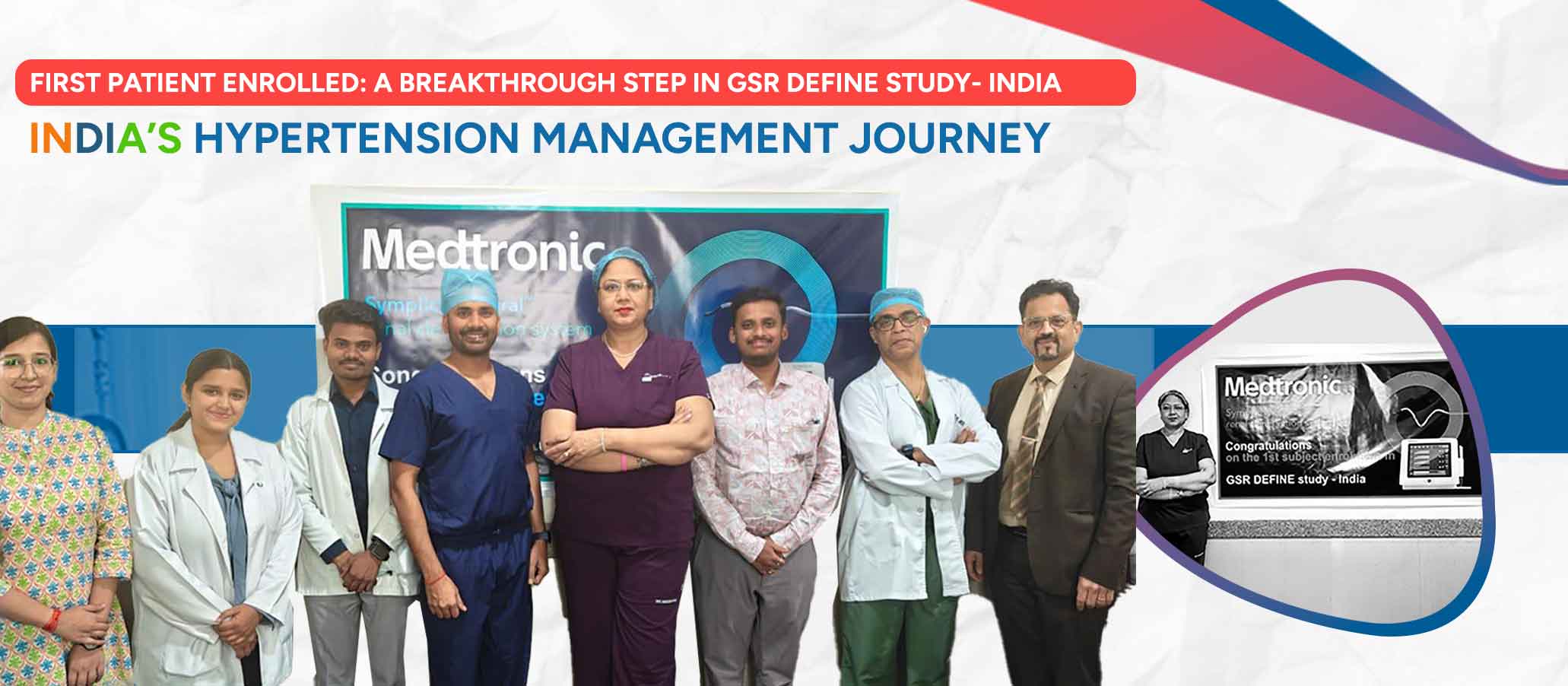
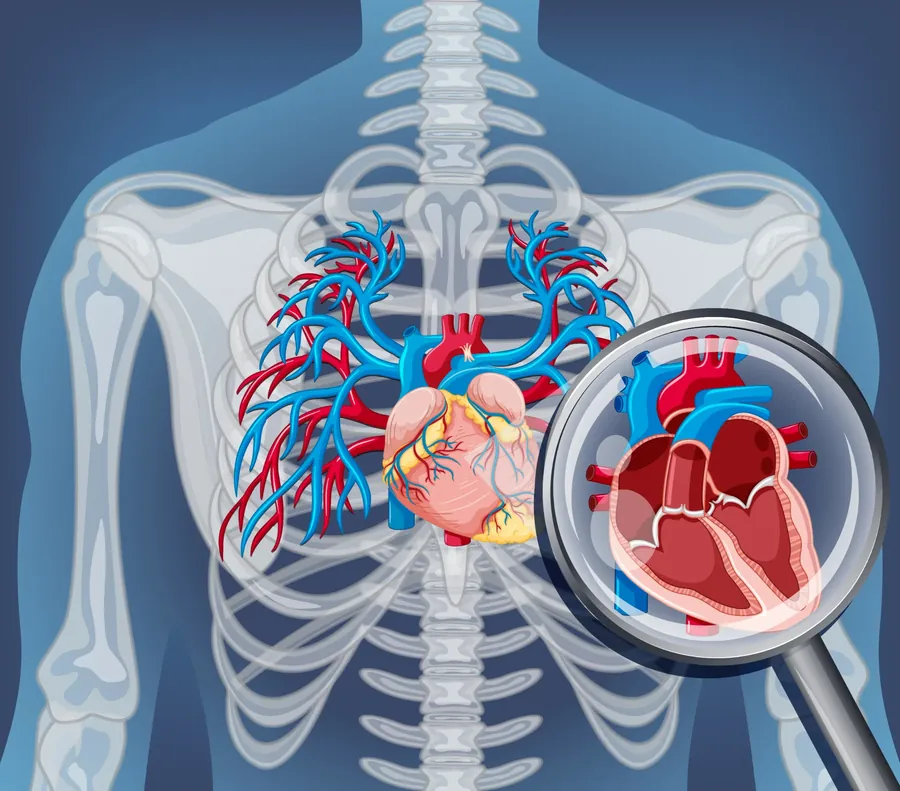
Renal denervation is a minimally invasive procedure that uses energy to reduce overactive nerves around the kidney arteries, helping lower blood pressure and manage uncontrolled hypertension in selected patients effectively.
Atherectomy
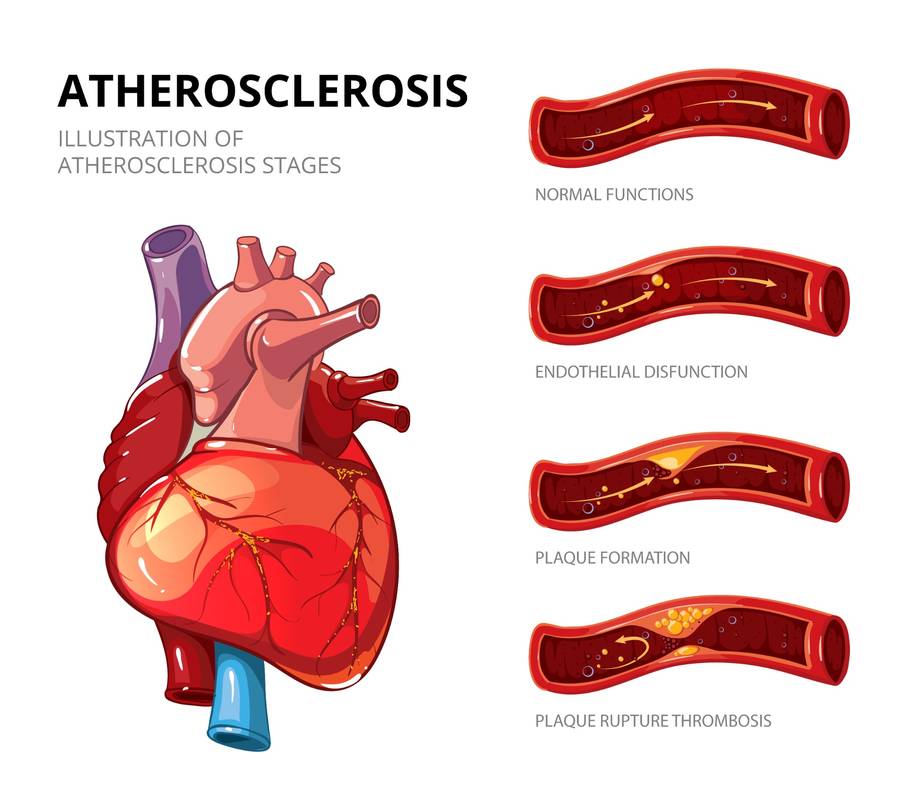
Atherectomy is a minimally invasive procedure that removes plaque buildup from narrowed arteries, restoring blood flow, improving vessel passage, and preparing the arteries for effective stent placement when required.
Laser Atherectomy
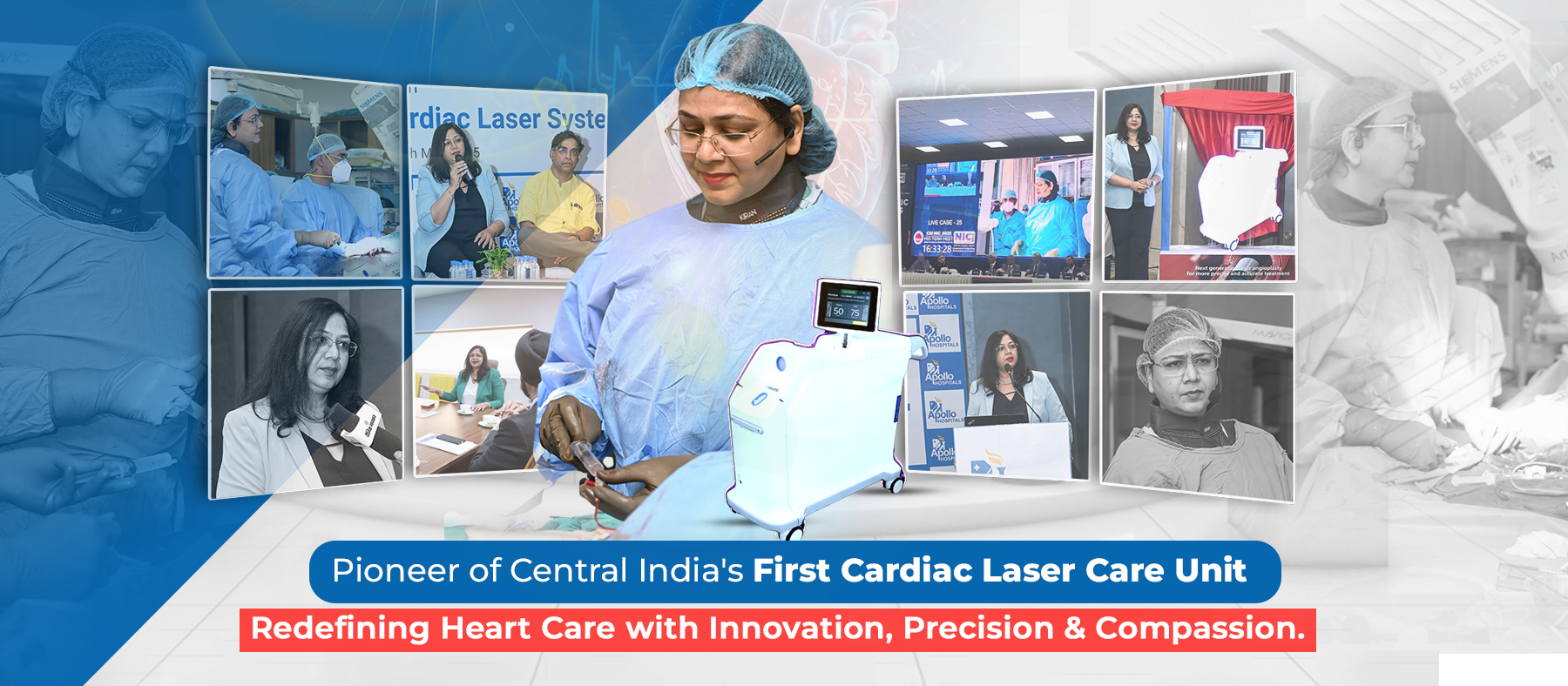
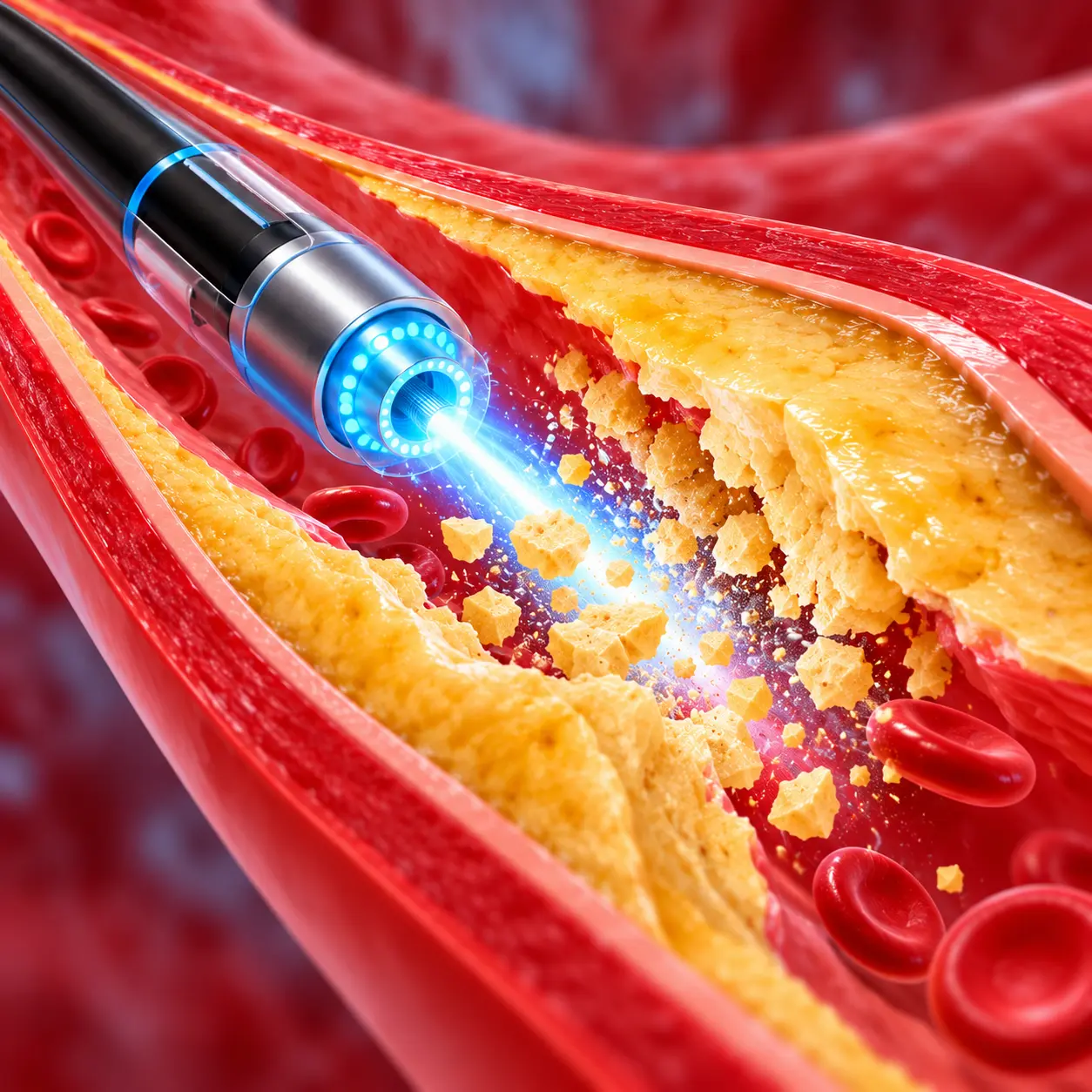
Laser atherectomy is a minimally invasive procedure that uses laser energy to break down and remove plaque from narrowed arteries, restoring blood flow, improving vessel opening, and supporting effective treatment.

Orbital Atherectomy
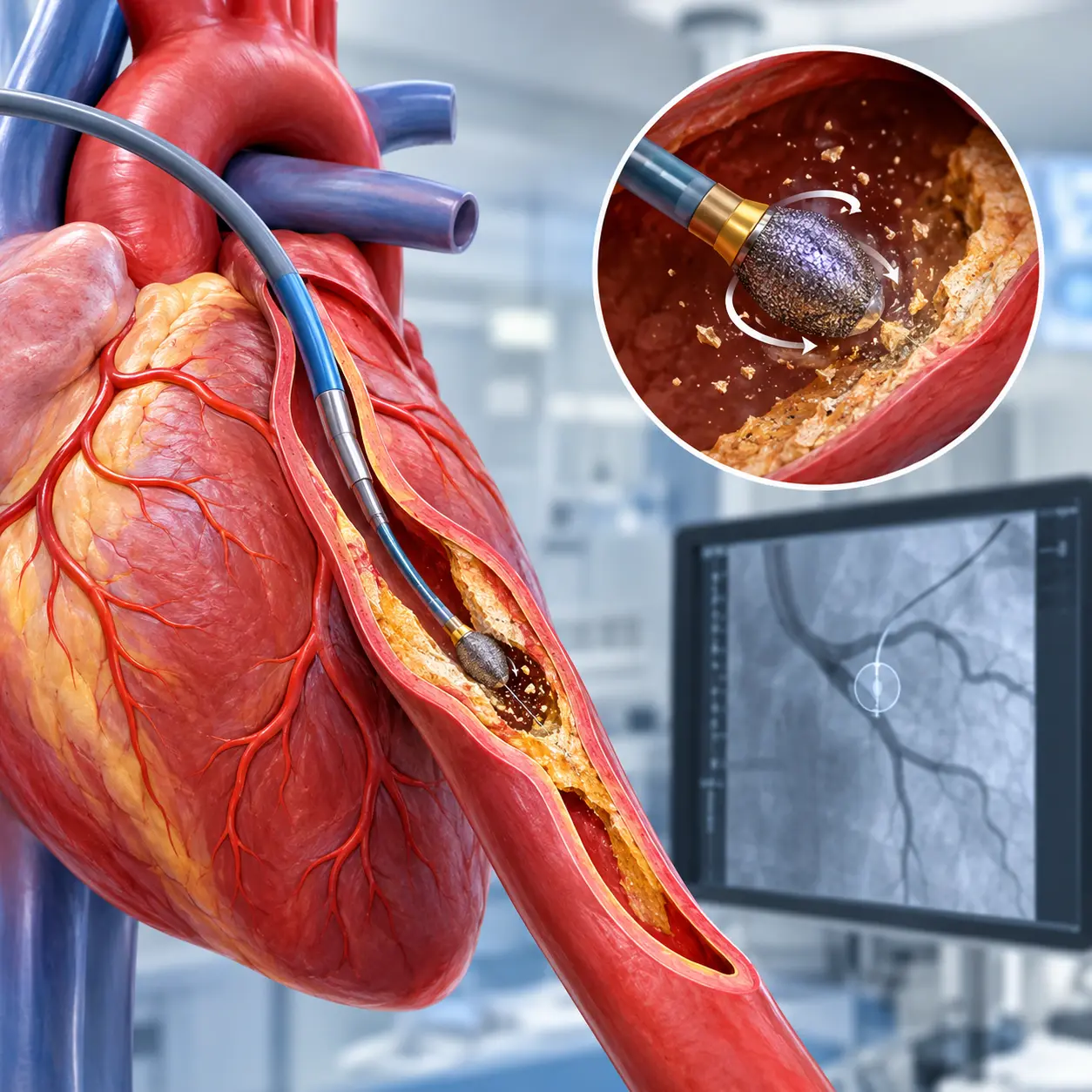
Orbital atherectomy is a minimally invasive procedure that uses a rotating orbital device to modify hardened calcium and plaque in narrowed arteries, improving blood flow and preparing vessels for effective stent placement.
RIForm Pro
RIForm Pro is a specialized cardiac device designed to support minimally invasive procedures, helping physicians manage complex coronary artery conditions, improve procedural precision, and achieve effective treatment outcomes safely.
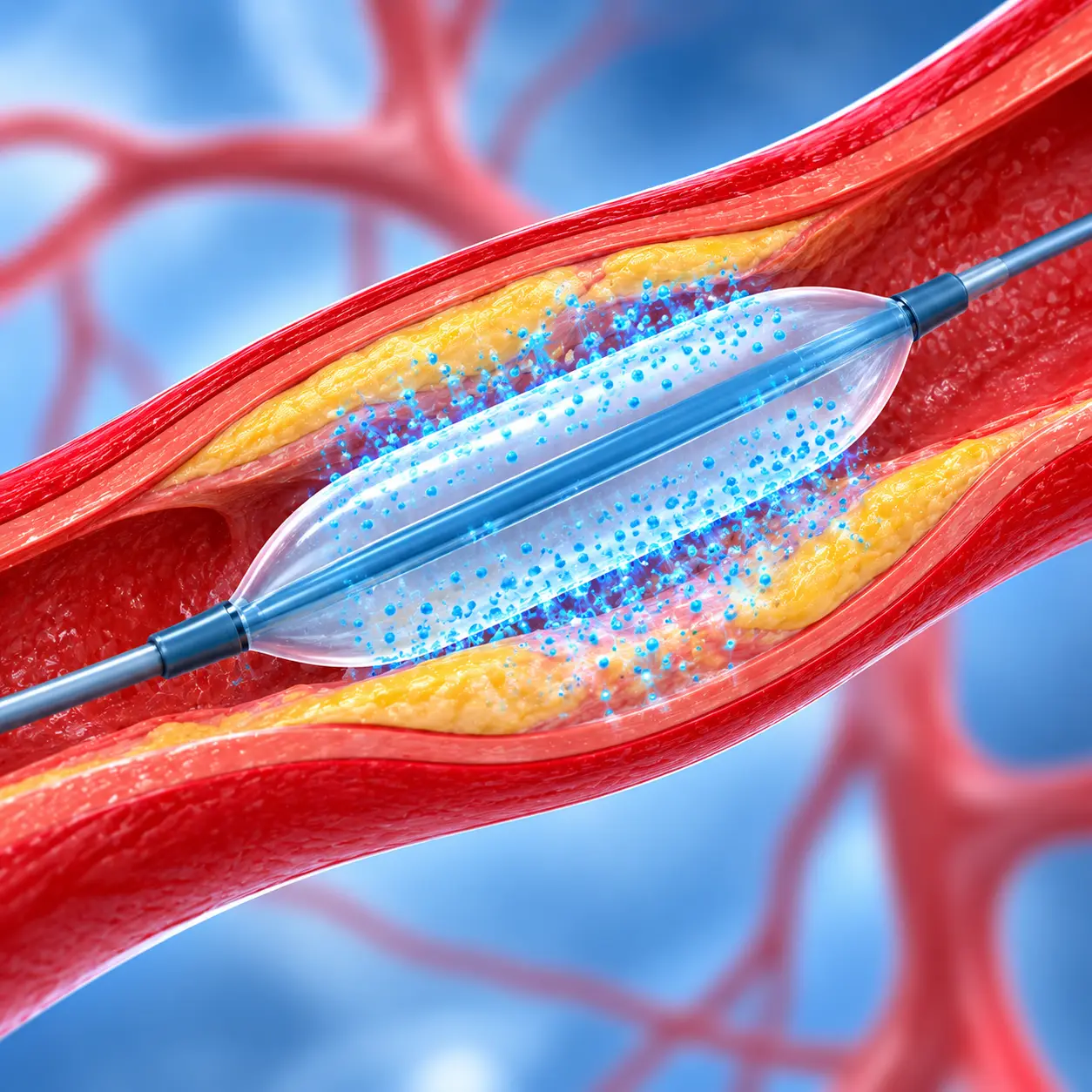
DCB (Drug-Coated Balloon)
DCB (Drug-Coated Balloon) is a minimally invasive treatment that uses a drug-coated balloon to widen narrowed arteries and deliver medication, helping restore blood flow and reduce the risk of re-narrowing.
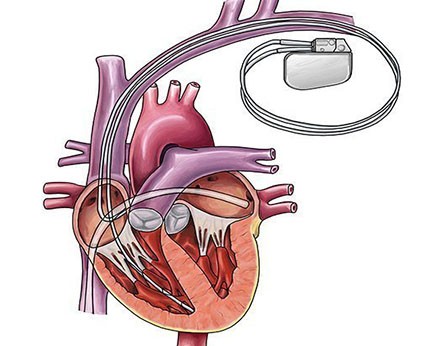
Combo Device Implantation
Combo Device Implantation involves using two or more cardiac devices during a procedure to treat complex heart conditions, improve heart function, regulate abnormal heart rhythms, and support effective cardiac care.