
Best Stent Implantation in Indore | Best Cardiologist Doctor in Indore
Advanced coronary angiography procedures for accurate diagnosis of heart blockage, chest pain, and cardiovascular disease by Dr. Sarita Rao, Senior Interventional Cardiologist at Apollo Hospitals Indore.

Stent Implantation in Indore

What is Stent Implantation?

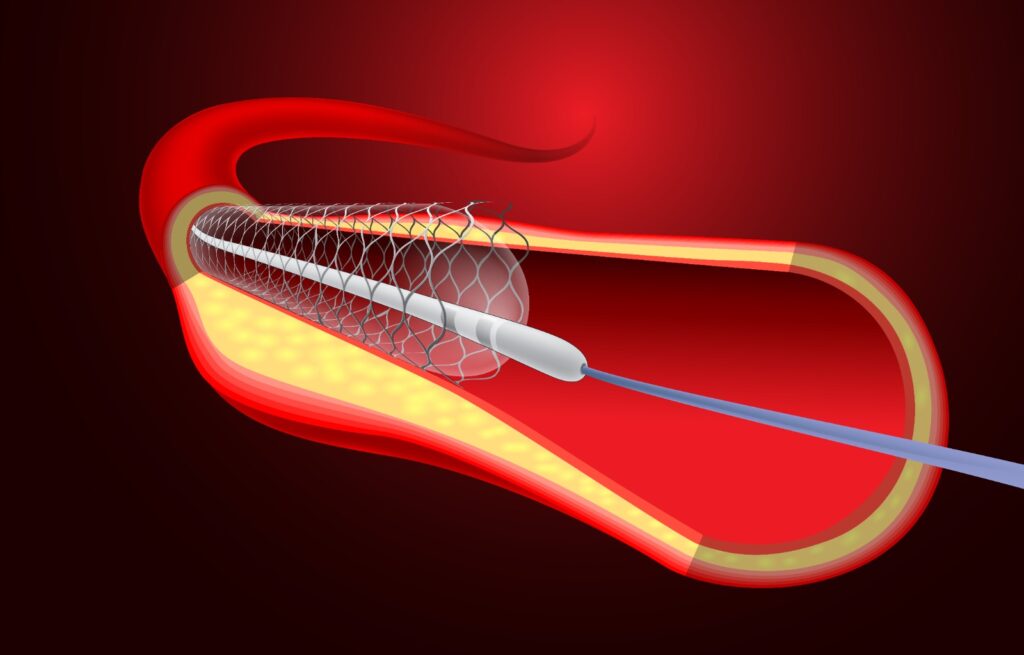
Stent implantation is a minimally invasive cardiac procedure used to keep narrowed or blocked coronary arteries open and restore healthy blood flow to the heart. For patients looking for stent implantation in Indore, the procedure may be recommended when a significant coronary artery blockage requires intervention.

The procedure is usually performed after angioplasty, where a balloon catheter is used to widen the blocked artery. Once the artery is expanded, a small metal mesh tube called a stent is placed inside the artery to act as a scaffold and help maintain proper blood circulation.

Modern coronary stents may include drug-eluting technology, which slowly releases medication to help reduce the risk of the artery narrowing again, also known as restenosis.

Who May Need Stent Implantation?

When is Coronary Stent Implantation Recommended?

Best Heart Disease treatment in Indore

Stent implantation may be recommended when coronary arteries become narrowed or blocked due to plaque buildup and reduced blood flow.

Common Conditions Requiring Stent Implantation

Timely stent implantation can help prevent serious cardiac complications and improve overall heart function.

Advanced Stent Technologies

Types of Coronary Stents

Single Chamber Pacemaker

Uses one lead,usually connected to either the right upper or lower chamber of the heart to regulate heartbeat.
A Single-Chamber Pacemaker is a cardiac device used to regulate an abnormally slow or irregular heartbeat. It typically uses one pacing lead, positioned in either the right atrium or right ventricle, depending on the patient's heart rhythm and clinical needs. The device monitors the heart's electrical activity and delivers small electrical impulses when necessary to help maintain an appropriate heart rate. The choice of a single-chamber pacemaker depends on the type of rhythm disorder, heart function and the patient's individual medical requirements.

Dual Chamber Pacemaker

Uses two leads to coordinate electrical signals, usually between the right upper and lower chambers of the heart, for improved rhythm control.
A Dual-Chamber Pacemaker is a cardiac device designed to regulate abnormal or slow heart rhythms using two pacing leads, typically placed in the right atrium and right ventricle. The device monitors the heart’s electrical activity and coordinates signals between the upper and lower chambers, helping maintain a more natural and synchronized heartbeat. It may be used for certain rhythm disorders where coordination between the atria and ventricles is important. The choice of a dual-chamber pacemaker depends on the patient's heart rhythm, underlying condition and individual clinical needs.

Biventricular Pacemaker (CRT)

Used in selected heart failure patients to improve synchronized pumping of the heart. This has three wires. Two connect to the right side of the heart, and a third wire loops around to stimulate the lower left chamber

A Biventricular Pacemaker, also known as Cardiac Resynchronization Therapy (CRT), is a specialized cardiac device used in selected patients with heart failure and abnormal electrical conduction. It typically uses three pacing leads: one placed in the right atrium, one in the right ventricle, and a third lead positioned through a vein on the heart’s surface to stimulate the lower left chamber. By coordinating the timing of the heart’s contractions, CRT can improve ventricular synchronization and the efficiency of the heart’s pumping function in appropriate patients. The decision to use CRT depends on the patient’s heart function, rhythm, symptoms and overall clinical condition.

Temporary Pacemaker

Used for short-term heart rhythm support during emergency situations or after cardiac procedures.

A Temporary Pacemaker is a short-term cardiac pacing device used to support the heart when its natural rhythm is too slow or unstable. It may be required during cardiac emergencies, certain heart rhythm disturbances, or after cardiac procedures while the heart’s normal rhythm recovers. Temporary pacing helps maintain an adequate heart rate and supports sufficient blood flow to the body. Depending on the clinical situation, pacing may be delivered through temporary leads placed in the heart or by external methods. The duration of use depends on the patient’s condition and response to treatment.

How Pacemaker Implantation is Performed

Step-by-Step Pacemaker Procedure

 Step 1: Preparation

The procedure is usually performed under local anesthesia with continuous heart monitoring.

Step 2: Small Chest Incision

A small incision is made near the collarbone to access the blood vessels.

Step 3: Lead Placement

Thin pacemaker leads are carefully guided through the blood vessels into the heart chambers using imaging guidance.

Step 4: Device Implantation

The pulse generator is placed beneath the skin in a small pocket created under the chest tissue.

Step 5: Device Testing & Closure

The pacemaker is tested to ensure proper functioning before the incision is closed.


Advantages of Pacemaker Treatment

Benefits of Pacemaker Implantation

By keeping a narrowed coronary artery open, stent implantation can improve blood flow and help reduce symptoms of coronary artery disease. Consult Dr. Sarita Rao for personalised treatment guidance in Indore.

Is Stent Implantation Safe?

Risks & Safety Considerations

Coronary stent implantation is considered a safe and highly effective cardiac procedure when performed by experienced interventional cardiologists.

Although complications are uncommon, possible risks may include:

  • Minor bleeding or bruising
  • Blood clot formation inside the stent
  • Re-narrowing of the artery
  • Blood vessel injury
  • Allergic reaction to contrast dye
  • Rare heart rhythm disturbances

Dr. Sarita Rao uses advanced stent technologies, modern imaging guidance, and evidence-based treatment protocols to ensure optimal safety and successful outcomes.

Recovery & Aftercare Guidelines

Recovery After Stent Implantation

Most patients recover quickly after coronary stent implantation and gradually return to routine activities within a few days.

Recovery Recommendations

  • Take blood-thinning medications as prescribed
  • Follow a heart-healthy diet
  • Avoid smoking and tobacco use
  • Maintain blood pressure, cholesterol, and diabetes control
  • Exercise regularly under medical guidance
  • Attend scheduled cardiac follow-up appointments

Lifestyle modification and preventive cardiac care are essential for maintaining long-term stent success and heart health.

FAQs

Frequently Asked Questions

A coronary stent helps keep narrowed or blocked heart arteries open and restores healthy blood flow to the heart muscles.

The procedure is generally performed under local anesthesia and most patients experience only mild discomfort.

Most coronary stents are designed to remain permanently inside the artery and provide long-term blood flow support.

Angioplasty widens the blocked artery using a balloon, while stent implantation involves placing a metal mesh tube to keep the artery open.

In some cases, arteries may narrow again over time, which is why medications and lifestyle changes are important after the procedure.

Most patients recover within a few days and gradually resume normal activities based on medical advice.