Best Rotablation procedure in Indore
Advanced coronary angiography procedures for accurate diagnosis of heart blockage, chest pain, and cardiovascular disease by Dr. Sarita Rao, Senior Interventional Cardiologist at Apollo Hospitals Indore.

Rotablation in Indore

What is Rotablation?

Rotablation, also known as rotational atherectomy, is an advanced minimally invasive cardiac procedure used to treat severely calcified or hardened coronary artery blockages that may be difficult to treat with standard angioplasty alone.

The procedure may be recommended when calcium deposits inside the coronary arteries become very hard and prevent proper balloon expansion or make stent placement challenging during angioplasty. In such cases, a rotablation procedure in Indore may help prepare the blocked artery for further treatment.

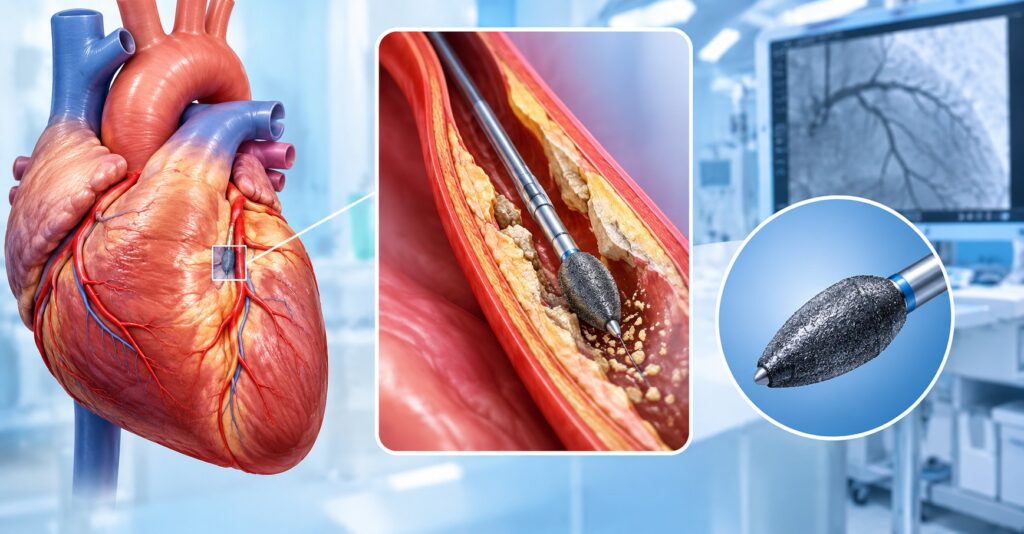
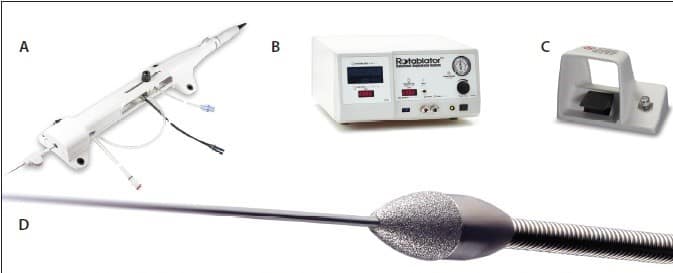
During rotablation, a specialized high-speed rotating burr is guided through a catheter to carefully modify the hardened calcium deposits within the artery. This helps improve the passage through the narrowed vessel and can facilitate balloon angioplasty and stent implantation when appropriate.

Rotablation can play an important role in selected cases of complex, heavily calcified coronary artery disease, helping doctors perform coronary intervention more effectively and restore blood flow to the heart.
Who May Need Rotablation?

When is Rotablation Recommended?

Best Rotablation in Indore | Top Cardiologist in MP

Rotablation may be recommended for patients with severe coronary artery calcification or difficult-to-treat arterial narrowing.

Common Conditions Requiring Rotablation

Early treatment of calcified artery disease helps improve blood circulation and reduce future cardiac complications.

Advanced Rotational Atherectomy Techniques

Types of Rotablation Procedures

Coronary Rotablation

Used to treat heavily calcified blockages within the coronary arteries supplying blood to the heart. that are too hard for standard balloons or stents. A diamond-coated, high-speed burr drills away hardened plaque, allowing for improved blood flow and successful stent implantation.
Coronary Rotablation, also known as Rotational Atherectomy, is an advanced interventional technique used to treat heavily calcified blockages in the coronary arteries that may be difficult to treat with standard balloons or stents alone. During the procedure, a specialized diamond-coated, high-speed rotating burr is carefully guided to the calcified plaque. The burr modifies and breaks down the hardened calcium, helping prepare the artery for balloon expansion and stent implantation. This technique can facilitate successful treatment of complex calcified lesions and help restore blood flow to the heart in appropriately selected patients.

Complex Coronary Atherectomy

Advanced plaque-modifying procedures are performed before angioplasty and stent placement in difficult coronary lesions.
Complex Coronary Atherectomy refers to advanced plaque-modifying techniques used to prepare difficult or heavily calcified coronary artery blockages before angioplasty and stent placement. These procedures help modify or remove hardened plaque, allowing better passage and expansion of balloons and stents. Specialized techniques, such as rotational or other atherectomy methods, may be considered depending on the location, severity and characteristics of the coronary lesion. Proper lesion preparation can facilitate stent delivery and expansion in appropriately selected patients and support effective treatment of complex coronary artery disease.

Rotablation with Stent Implantation

Rotablation is combined with coronary stenting to achieve improved artery expansion and long-term blood flow restoration.
Rotablation with Stent Implantation is an advanced interventional technique used to treat heavily calcified coronary artery blockages that may be difficult to expand with conventional balloons alone. During rotablation, a specialized diamond-coated rotating burr modifies the hardened calcium within the artery, helping prepare the lesion for balloon angioplasty and stent placement. Once adequate vessel preparation is achieved, a coronary stent is implanted to help keep the artery open and restore blood flow. This combined approach may be used for selected patients with complex, calcified coronary lesions.

Rotablation with IVUS Guidance

Advanced imaging support is used during the procedure for precise plaque assessment and optimized treatment planning.
Rotablation with IVUS Guidance combines rotational atherectomy with Intravascular Ultrasound (IVUS) imaging to improve the assessment and treatment of complex coronary artery blockages. IVUS provides detailed images from inside the artery, helping evaluate plaque burden, calcium distribution, vessel size and lesion characteristics. This information can assist in planning rotablation, selecting the appropriate stent size and optimizing stent deployment. The combined approach may be considered for selected patients with heavily calcified or complex coronary lesions, based on individual anatomy and clinical needs.

How Rotablation is Performed

Step-by-Step Rotablation Procedure

 Step 1: Preparation

A thin catheter is inserted through the wrist or groin artery and guided toward the blocked coronary artery.

Step 2: Catheter Insertion

A thin catheter is inserted through the wrist or groin artery and guided toward the blocked coronary artery.

Step 3 Rotational Burr Advancement

A specially designed high-speed rotating burr is advanced carefully through the calcified blockage.

Step 4: Plaque Modification

The rotating burr grinds hardened calcium deposits into microscopic particles to widen the artery.

Step 5: Angioplasty & Stent Placement

After plaque modification, angioplasty ballooning, and stent implantation are performed to restore normal blood flow.

Advantages of Rotablation Treatment

Benefits of Rotablation

Rotablation can be a valuable treatment option for patients with heavily calcified coronary arteries, where conventional angioplasty may be difficult. By modifying hardened calcium deposits, it can help prepare the artery for balloon angioplasty and stent placement. The procedure may support better stent delivery and expansion in selected patients. A cardiologist evaluates the blockage, calcium burden, and overall heart condition to determine whether rotablation is appropriate.


Is Rotablation Safe?

Risks & Safety Considerations

Rotablation is considered a safe and effective procedure for treating severe calcified coronary artery disease when performed by experienced interventional cardiologists.

Although complications are uncommon, possible risks may include:

  • Minor bleeding or bruising
  • Blood vessel injury
  • Temporary heart rhythm disturbances
  • Artery dissection or perforation in rare cases
  • Contrast dye reaction
  • Temporary chest discomfort

Dr. Sarita Rao  Cardiologist uses advanced imaging technology, modern atherectomy systems, and careful procedural planning to ensure patient safety and optimal outcomes.

Recovery & Aftercare Guidelines

Recovery After Rotablation

Most patients recover within a short duration after rotablation and can gradually resume daily activities based on medical advice.

Recovery Recommendations

  • Follow prescribed cardiac medications carefully
  • Avoid smoking and tobacco use
  • Maintain cholesterol and blood pressure control
  • Follow a heart-healthy lifestyle
  • Attend regular cardiac follow-up appointments
  • Continue preventive cardiac care

Recovery time may vary depending on the complexity of the coronary artery disease and additional procedures performed.

FAQs

Frequently Asked Questions

The procedure is generally performed under local anesthesia, and most patients experience minimal discomfort.

Severely calcified arteries may prevent proper stent expansion. Rotablation helps prepare the artery for successful angioplasty and stent placement.

The duration depends on the complexity of the blockage and associated angioplasty procedures, but usually takes around 1 to 2 hours.

Yes. Rotablation can be safely performed in elderly patients under expert cardiac supervision and careful procedural planning.

Most patients recover within a few days and gradually return to routine activities based on their overall cardiac condition.

Yes. By improving blood flow through calcified arteries, rotablation can help relieve chest pain, breathlessness, and related cardiac symptoms.