

Home » Procedures » Combo Device Implantation
Combo device implantation is an advanced cardiac procedure used to improve heart pumping efficiency and manage dangerous heart rhythm abnormalities in patients with severe heart failure.
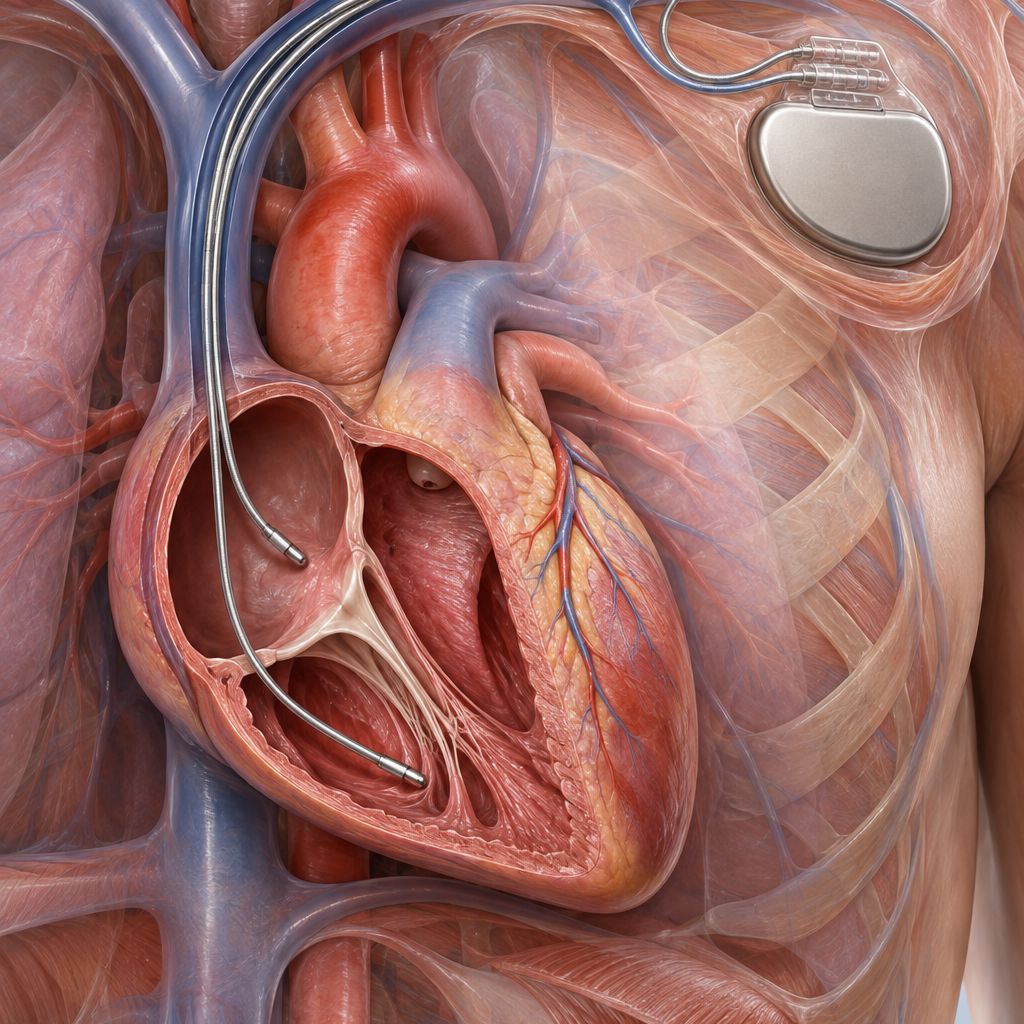
These devices combine the benefits of Cardiac Resynchronization Therapy (CRT) and Implantable Cardioverter Defibrillator (ICD) technology to help synchronize heart contractions while also protecting against life-threatening arrhythmias.
In many heart failure patients, the heart chambers do not beat in proper coordination, reducing the heart’s ability to pump blood effectively. A combo device helps restore synchronized heart function and improves overall cardiac performance.
The implanted device continuously monitors heart rhythm, supports better heart pumping, and can deliver life-saving therapy if abnormal heart rhythms are detected.
Combo device implantation may be recommended for patients with advanced heart failure and serious electrical conduction abnormalities of the heart.
Early device therapy can help improve heart function, reduce symptoms, and enhance quality of life.
Step 1: Preparation & Local Anesthesia
The procedure is performed in a specialized cath lab under local anesthesia with light sedation.
Step 2: Catheter Insertion
A small incision is made near the collarbone to access the blood vessels.
Step 3: Lead Placement
Specialized leads are guided carefully through the veins into different chambers of the heart using imaging guidance.
Step 4: Device Implantation
The pulse generator device is placed beneath the skin inside a small pocket created in the chest area.
Step 5: Blood Flow Restoration
The device is tested and programmed to optimize synchronized heart function and rhythm protection.
Patients are monitored after the procedure to ensure stable recovery and proper device performance.
Choose advanced cardiac care with Combo Device Implantation in Indore by Dr. Sarita Rao for comprehensive treatment of complex heart conditions.
Combo device implantation is considered a safe and highly effective treatment for selected heart failure and arrhythmia patients when performed by experienced cardiac specialists.
Although complications are uncommon, possible risks may include:
Dr. Sarita Rao uses advanced implantation techniques, precise imaging guidance, and evidence-based cardiac care protocols to ensure patient safety and successful outcomes.
Most patients recover gradually after device implantation and experience improvement in symptoms over time.
Regular follow-up helps optimize device settings and improve long-term heart function.
A combo cardiac device combines heart rhythm management and heart failure therapy into a single implanted device.
The procedure is generally performed under local anesthesia with light sedation, and most patients experience minimal discomfort.
Angioplasty is a minimally invasive catheter-based procedure, while bypass surgery is an open-heart surgical procedure used for more extensive blockages.
The procedure usually takes around 2 to 4 hours depending on device complexity and patient condition.
Yes. Combo devices can improve heart pumping efficiency, reduce breathlessness, and enhance physical activity tolerance.
Modern combo cardiac devices usually last several years depending on usage and device settings.
Yes. Regular follow-up and device monitoring are important for long-term performance and heart failure management.
Far far away, behind the word mountains, far from the countries Vokalia and Consonantia, there live the blind texts. Separated they live in Bookmarksgrove right at the coast
Far far away, behind the word mountains, far from the countries Vokalia and Consonantia, there live the blind texts. Separated they live in Bookmarksgrove right at the coast
Far far away, behind the word mountains, far from the countries Vokalia and Consonantia, there live the blind texts. Separated they live in Bookmarksgrove right at the coast
Far far away, behind the word mountains, far from the countries Vokalia and Consonantia, there live the blind texts. Separated they live in Bookmarksgrove right at the coast
Far far away, behind the word mountains, far from the countries Vokalia and Consonantia, there live the blind texts. Separated they live in Bookmarksgrove right at the coast
Far far away, behind the word mountains, far from the countries Vokalia and Consonantia, there live the blind texts. Separated they live in Bookmarksgrove right at the coast