
What Is an ECG Test and Why Is It Important?
Heart disease often develops silently, making early diagnosis essential for protecting your heart. One of the simplest and most effective ways to assess your heart’s health is through an Electrocardiogram (ECG). Whether you’re experiencing chest pain, palpitations, dizziness, or simply want a preventive heart check-up, an ECG can provide valuable insights into your heart’s condition.
If you’re looking for an ECG test in Indore, consulting an experienced cardiologist can help ensure accurate diagnosis and timely treatment.
What Is an ECG Test?
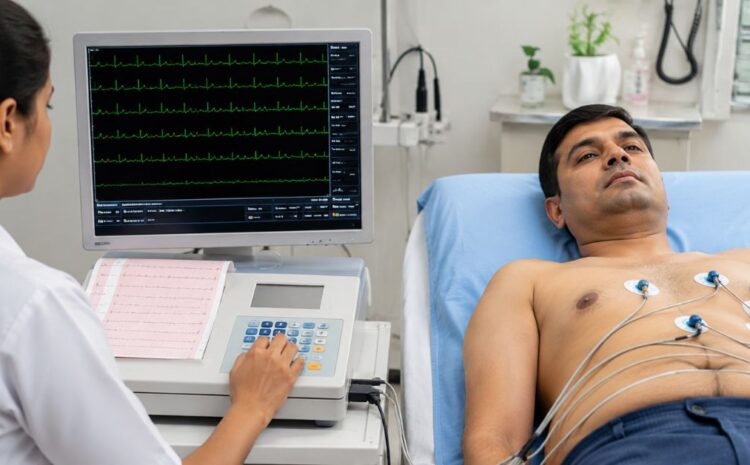
An ECG (Electrocardiogram) is a quick, painless, and non-invasive test that records the electrical activity of your heart. Small adhesive electrodes are placed on your chest, arms, and legs to measure your heart’s rhythm, rate, and electrical signals.
The test usually takes just 5 to 10 minutes and does not involve any injections or discomfort. It is commonly performed in hospitals, cardiac clinics, and diagnostic centers as part of routine heart evaluations.
Why Is an ECG Important?
An ECG is one of the first diagnostic tests recommended by cardiologists because it helps detect various heart conditions before they become serious.
It can help identify:
- Heart attack (current or previous)
- Irregular heartbeat (arrhythmia)
- Coronary artery disease
- Enlarged heart
- Heart muscle damage
- Poor blood supply to the heart
- Electrolyte imbalances affecting heart function
Early detection allows doctors to begin treatment before complications arise, reducing the risk of severe heart problems.
When Should You Get an ECG?
Your doctor may recommend an ECG if you experience:
- Chest pain or discomfort
- Shortness of breath
- Rapid or irregular heartbeat
- Dizziness or fainting
- High blood pressure
- Diabetes
- High cholesterol
- Family history of heart disease
People above 40 years of age and those with lifestyle-related risk factors should also consider regular heart check-ups, including an ECG.
What Happens During the Test?
The procedure is simple and comfortable. You will lie down while a technician places small electrodes on specific areas of your body. These electrodes are connected to an ECG machine that records your heart’s electrical activity.
The entire process is completed within minutes, and your cardiologist interprets the results to determine if additional tests or treatment are needed.
Why Choose Dr. Sarita Rao for Your Heart Check-Up?
If you need an ECG test in Indore, choosing an experienced cardiologist is important for accurate diagnosis and expert guidance. Cardiologist Dr. Sarita Rao is known for providing comprehensive cardiac care using advanced diagnostic techniques and personalized treatment plans.
Recognized as one of the women cardiologist in Indore, Dr. Sarita Rao specializes in preventive cardiology, heart disease management, angioplasty, complex coronary interventions, and advanced cardiac procedures. Her patient-focused approach ensures every individual receives compassionate care and evidence-based treatment tailored to their needs.
Conclusion
An ECG is a simple yet powerful tool that can detect heart problems at an early stage, often before symptoms become severe. Whether you have existing heart concerns or simply want a preventive heart check-up, timely testing can make a significant difference in protecting your heart health.
If you’re searching for a trusted ECG test in Indore, consult Cardiologist Dr. Sarita Rao for expert evaluation and advanced cardiac care. Taking a few minutes for an ECG today could help safeguard your heart for years to come.
FAQs
1. Is an ECG test painful?
No. An ECG is completely painless, non-invasive, and usually takes only 5–10 minutes.
2. Can an ECG detect a heart attack?
Yes. An ECG can help detect an ongoing or previous heart attack, along with several other heart conditions.
3. Do I need to prepare before an ECG test?
Generally, no special preparation is required. Your doctor may advise avoiding lotions or oils on the chest before the test.
Write a Comment