
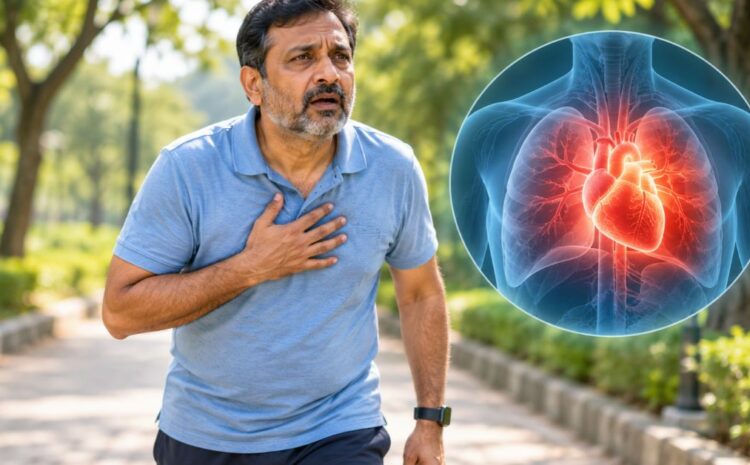
Breathlessness During Walking: Possible Heart-Related Causes
Breathlessness during walking can occur due to physical inactivity, respiratory conditions, anaemia, or underlying heart problems. While getting out of breath after strenuous activity can be normal, persistent or unexplained breathlessness during routine activities should not be ignored.
Understanding the possible causes can help people recognise when medical evaluation may be necessary.
How Can Heart Problems Cause Breathlessness?
The heart pumps oxygen-rich blood throughout the body. When the heart cannot pump blood effectively or when blood flow to the heart muscle is reduced, a person may experience difficulty breathing, particularly during physical activity.
Some heart-related causes of breathlessness include:
1. Coronary Artery Disease
Narrowing of the coronary arteries can reduce blood supply to the heart muscle. Some people experience breathlessness during walking or climbing stairs, sometimes without noticeable chest pain.
2. Heart Failure
Heart failure occurs when the heart cannot pump blood effectively enough to meet the body’s needs. Symptoms may include breathlessness during activity, difficulty breathing while lying down, fatigue, and swelling in the legs.
3. Heart Valve Problems
Conditions affecting the heart valves can interfere with normal blood flow. Depending on the severity, they may cause breathlessness, dizziness, fatigue, or reduced exercise tolerance.
4. Abnormal Heart Rhythm
An irregular or unusually fast heartbeat can affect how efficiently the heart circulates blood. Some people may notice palpitations, weakness, dizziness or breathlessness during physical activity.
When Should Breathlessness Be Evaluated?
Medical evaluation may be appropriate when breathlessness is new, persistent, worsening or disproportionate to the level of physical activity.
A healthcare professional may review medical history, examine the patient and recommend investigations such as an ECG, blood tests, echocardiography or other tests depending on the suspected cause.
Sudden or severe breathlessness, especially with chest discomfort, cold sweating, fainting or bluish lips, requires immediate emergency medical attention.
How Is Heart-Related Breathlessness Managed?
Treatment depends on the underlying cause. Management may involve prescribed medicines, treatment of heart rhythm or valve conditions, procedures for selected coronary artery problems, and appropriate lifestyle changes.
Regular physical activity, a balanced diet, avoiding tobacco, and managing blood pressure, diabetes, and cholesterol can support cardiovascular health. However, people experiencing unexplained breathlessness should seek medical assessment before starting strenuous exercise.
Finding Reliable Cardiac Information in Indore
People researching heart-related symptoms may search online for a cardiologist in Indore to understand available cardiac evaluation services. It is important to use reliable medical information and understand that breathlessness can have several possible causes. An appropriate assessment helps determine whether the symptoms are related to the heart, lungs, or another condition.
Breathlessness during walking may have several causes, including coronary artery disease, heart failure, valve disorders and abnormal heart rhythms. Recognising persistent or worsening symptoms and seeking timely medical evaluation can help identify the underlying condition and guide appropriate care.
FAQs
1. Can breathlessness while walking be a sign of heart problems?
Yes, it may indicate coronary artery disease, heart failure or heart valve problems.
2. Why do I feel breathless while walking or climbing stairs?
Possible causes include heart or lung conditions, anaemia, physical inactivity and reduced fitness.
3. Which tests can identify heart-related breathlessness?
Depending on the symptoms, tests may include an ECG, echocardiogram, and blood tests
Medical disclaimer: This article is for general educational purposes only and does not replace individual medical advice, diagnosis, or treatment.
Write a Comment