Best ACID surgery in Indore | Automatic Implantable Cardioverter Defibrillator
Advanced coronary angiography procedures for accurate diagnosis of heart blockage, chest pain, and cardiovascular disease by Dr. Sarita Rao, Senior Interventional Cardiologist at Apollo Hospitals Indore.

AICD implantation in Indore

What is an AICD?

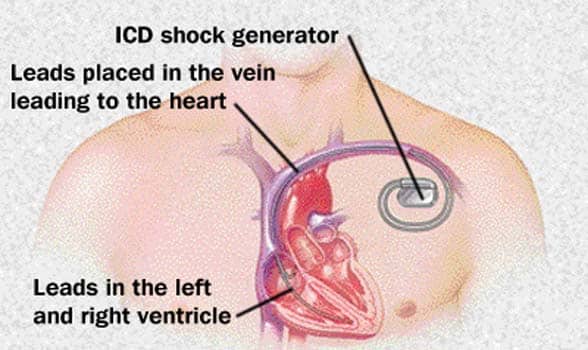
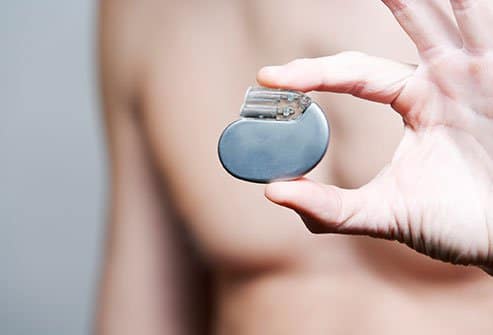
An Automatic Implantable Cardioverter Defibrillator (AICD), also known as an ICD, is a small electronic device implanted inside the chest to continuously monitor and manage dangerous heart rhythm abnormalities.

The device is designed to detect life-threatening arrhythmias such as ventricular tachycardia and ventricular fibrillation, which can increase the risk of sudden cardiac arrest. For patients who require this form of protection, AICD implantation in Indore can provide continuous monitoring and timely electrical therapy under specialist cardiac care.

An AICD works by delivering appropriate electrical therapy when an abnormal heart rhythm is detected. Depending on the type and severity of the rhythm disturbance, the device may provide rapid pacing signals or deliver a controlled electrical shock to help restore a normal heart rhythm.

Modern AICD devices can also record important information about heart rhythm activity. This allows cardiologists to monitor changes in the patient’s cardiac rhythm and adjust long-term treatment when required.

If you have been advised to consider an AICD or have a history of serious heart rhythm problems, consult Dr. Sarita Rao for a detailed cardiac evaluation and personalised treatment guidance.
ACID | Cardiologist in MP

Who May Need AICD Implantation?

When is AICD Recommended?

Stent Implantation in Indore | Best Cardiologist

AICD implantation may be recommended for patients at high risk of dangerous heart rhythm disturbances or sudden cardiac arrest.

Common Conditions Requiring AICD Implantation

Early AICD implantation can significantly improve patient safety and help prevent fatal cardiac complications.

Advanced Defibrillator Systems

Types of AICD Devices

Single Chamber AICD

Uses one lead connected to the heart chamber to monitor and correct abnormal rhythm.

A Single-Chamber AICD (Automatic Implantable Cardioverter-Defibrillator) is a cardiac device used to monitor and treat dangerous abnormal heart rhythms. It typically uses one lead placed in the right ventricle to continuously detect irregular rhythms. When a potentially life-threatening rhythm such as ventricular tachycardia or ventricular fibrillation occurs, the device can deliver electrical therapy or a shock to help restore a safer heart rhythm. Its use depends on the patient's condition and risk of sudden cardiac arrest.

Dual Chamber AICD

Uses two leads for improved rhythm coordination between upper and lower heart chambers.
A Dual-Chamber AICD (Automatic Implantable Cardioverter-Defibrillator) is an advanced cardiac device that uses two leads, typically placed in the right atrium and right ventricle, to monitor the heart’s electrical activity. It can detect and treat potentially dangerous abnormal rhythms and provide pacing support when needed. By sensing activity in both chambers, the device helps coordinate atrial and ventricular signals and may improve rhythm management in appropriately selected patients.

Biventricular ICD (CRT-D)

Combines cardiac resynchronization therapy with defibrillator support in selected heart failure patients.
Biventricular ICD (CRT-D) A Biventricular ICD (CRT-D) combines Cardiac Resynchronization Therapy (CRT) with an Implantable Cardioverter-Defibrillator (ICD) in a single device. It is used in selected patients with heart failure and abnormal electrical conduction to help coordinate the heart’s pumping action while also providing protection against potentially life-threatening ventricular arrhythmias. The device typically uses three leads to stimulate the heart and can deliver electrical therapy or a shock when a dangerous rhythm is detected.

Subcutaneous ICD (S-ICD)

A specialized device implanted beneath the skin without direct leads inside the heart.
A Subcutaneous ICD (S-ICD) is a specialized implantable device designed to detect and treat potentially dangerous abnormal heart rhythms. Unlike a conventional ICD, the S-ICD is implanted beneath the skin, with its electrode positioned along the breastbone rather than directly inside the heart. It continuously monitors the heart rhythm and can deliver an electrical shock when a life-threatening ventricular arrhythmia is detected. S-ICD may be considered for selected patients who need protection from sudden cardiac arrest but do not require pacing inside the heart.

How AICD Implantation is Performed

Step-by-Step AICD Implantation Procedure

 Step 1: Preparation

The procedure is performed in a specialized cath lab under local anesthesia and light sedation for patient comfort.

Step 2: Small Chest Incision

A small incision is made near the collarbone to access the blood vessels.

Step 3: Lead Placement

Thin leads are guided carefully through the veins into the heart chambers using advanced imaging guidance.

Step 4: Device Implantation

The AICD generator is placed beneath the skin in a pocket created under the chest tissue.

Step 5: Device Testing & Closure

The device is tested to ensure proper rhythm detection and functioning before the incision is closed.

Advantages of AICD Treatment

Benefits of AICD Implantation

For patients at risk of serious ventricular arrhythmias, AICD treatment in Indore can provide timely electrical therapy when needed. Consult Dr. Sarita Rao for personalised evaluation and treatment planning

Is AICD Implantation Safe?

Risks & Safety Considerations

AICD implantation is considered a safe and highly effective procedure for managing serious heart rhythm disorders when performed by experienced cardiac specialists.

Although complications are uncommon, possible risks may include:

  • Minor bleeding or bruising
  • Infection at the implantation site
  • Lead displacement
  • Temporary discomfort or swelling
  • Blood vessel injury
  • Rare device-related complications

Dr. Sarita Rao uses advanced implantation techniques, modern cardiac monitoring systems, and evidence-based treatment protocols to ensure patient safety and optimal outcomes.

Recovery After AICD Implantation

Recovery & Aftercare Guidelines

Most patients recover well after AICD implantation and gradually return to daily activities within a few weeks.

Recovery Recommendations

  • Avoid heavy lifting for a short duration
  • Keep the incision area clean and dry
  • Attend regular device monitoring appointments
  • Follow prescribed medications carefully
  • Inform healthcare providers about the implanted device
  • Maintain regular heart health follow-up

Routine device checks help ensure optimal functioning and battery performance over time.

FAQs

Frequently Asked Questions

A pacemaker helps regulate slow heart rhythms, while an AICD detects and treats dangerous fast arrhythmias that may lead to sudden cardiac arrest.

Yes. The device can detect life-threatening arrhythmias and deliver electrical therapy to restore normal heart rhythm.

The procedure is usually performed under local anesthesia with light sedation, and most patients experience minimal discomfort.

The procedure generally takes around 1 to 2 hours depending on device type and procedural complexity.

Patients may not notice minor pacing corrections, but stronger corrective shocks can sometimes be felt briefly.

Modern AICD devices usually last several years depending on usage and patient condition.