
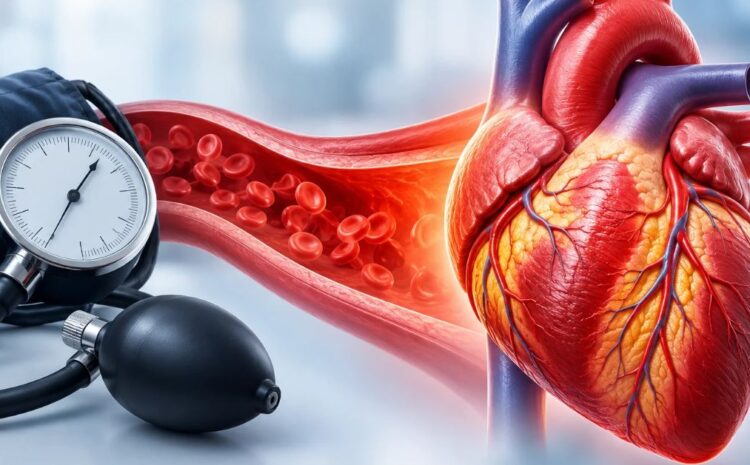
Can High Blood Pressure Affect the Heart?
Yes, high blood pressure can affect the heart by making it work harder to pump blood. Over time, uncontrolled hypertension can increase the risk of coronary artery disease, heart failure, heart attack, and stroke.
How Does High Blood Pressure Affect the Heart?
High blood pressure puts additional strain on the heart and blood vessels. Long-term uncontrolled blood pressure may lead to:
- Thickened heart muscle: The heart muscle may become thicker, making it harder for the heart to relax and pump efficiently.
- Coronary artery disease: High blood pressure can damage artery walls and contribute to the development of cardiovascular disease.
- Heart failure: Persistent strain may cause the heart to become stiff or weakened.
- Increased cardiovascular risk: The risk of heart attack and stroke can increase, especially when other risk factors are present.
High blood pressure often causes no noticeable symptoms, so regular measurement is important.
What Are the Risk Factors for High Blood Pressure?
Common risk factors include increasing age, family history, excess body weight, high sodium intake, physical inactivity, tobacco use, diabetes and kidney disease.
How Is High Blood Pressure Managed?
Management may involve lifestyle changes and prescribed medication, depending on the individual’s blood pressure and overall health.
- Follow a balanced diet and reduce excess sodium.
- Participate in regular physical activity appropriate to your health.
- Avoid tobacco and follow medical advice regarding alcohol.
- Monitor blood pressure as recommended.
- Take prescribed medication consistently.
People who need further cardiovascular evaluation can learn about the role of a heart specialist in Indore in assessing heart-related conditions and risk factors.
Frequently Asked Questions
Can high blood pressure cause a heart attack?
Yes. High blood pressure increases heart attack risk over time by contributing to damage in the arteries supplying the heart.
Can high blood pressure damage the heart without symptoms?
Yes. Cardiovascular damage can develop without obvious symptoms, making regular blood pressure checks important.
Can lifestyle changes lower blood pressure?
Yes. Dietary changes, regular physical activity, weight management, and other healthy habits can help. Some people also require medication.
When should high blood pressure require emergency care?
If blood pressure is above 180/120 mmHg, repeat the measurement after at least one minute. If it remains that high, seek prompt medical advice. If accompanied by chest pain, severe breathlessness, weakness, confusion or vision changes, seek emergency care immediately.
Conclusion
Monitoring blood pressure and following appropriate medical advice can help reduce the risk of cardiovascular complications.
Medical disclaimer: This article is for general educational purposes and does not replace professional medical advice, diagnosis or treatment.
Write a Comment