

Orbital Atherectomy is an advanced minimally invasive coronary intervention used to treat severely calcified coronary artery blockages that cannot be effectively treated with conventional angioplasty alone.
The procedure uses a tiny diamond-coated crown that rotates at high speeds of up to 80,000 to 120,000 revolutions per minute (RPM). As the crown moves through the artery, it gently sands away hardened calcium deposits while preserving healthy vessel tissue.
Unlike some plaque modification techniques that primarily target surface calcium, Orbital Atherectomy can effectively modify both superficial and deep calcium deposits within the artery wall. This helps improve artery flexibility and allows safer, more effective stent placement.
Orbital Atherectomy is particularly beneficial in complex coronary artery disease where severe calcification may prevent proper balloon expansion or stent deployment.

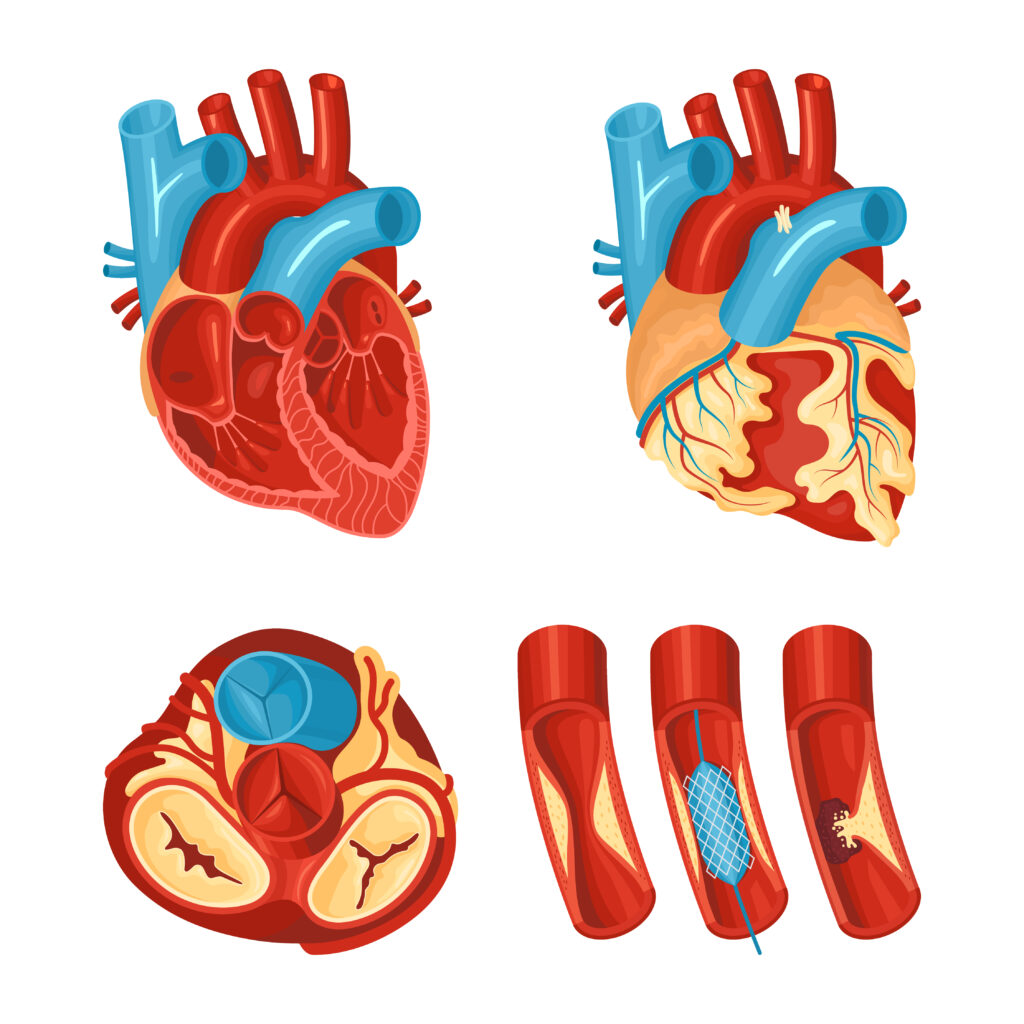
Orbital Atherectomy may be recommended for patients with severe coronary artery calcification that makes standard angioplasty or stent implantation difficult.
Early treatment of calcified coronary artery disease helps improve blood flow and reduces the risk of future cardiac complications.
Step 1: Preparation
The procedure is performed under local anesthesia with continuous cardiac monitoring
Step 2: Catheter Insertion
A thin catheter is inserted through the wrist or groin artery and guided toward the blocked coronary artery.
Step 3: Orbital Crown Positioning
The diamond-coated orbital crown is carefully positioned at the site of the calcified blockage.
Step 4: Calcium Modification
The crown rotates at high speed, gently sanding away calcium deposits and improving artery compliance.
Step 5: Vessel Preparation
The artery becomes more flexible and suitable for further treatment.
Orbital Atherectomy is considered a safe and effective treatment option for selected patients with heavily calcified coronary artery disease when performed by experienced interventional cardiologists.
Although complications are uncommon, possible risks may include:
Dr. Sarita Rao utilizes advanced orbital atherectomy technology, modern imaging systems, and evidence-based treatment protocols to maximize procedural safety and effectiveness.
Most patients recover quickly after Orbital Atherectomy and can gradually resume normal activities within a few days.
Long-term preventive cardiac care helps maintain healthy blood flow and reduces future coronary artery complications.
Orbital Atherectomy is used to treat heavily calcified coronary artery blockages that cannot be effectively managed with standard angioplasty alone.
Orbital Atherectomy uses an orbiting diamond-coated crown that treats both superficial and deep calcium deposits, while Rotablation uses a rotating burr to modify hardened plaque.
The procedure is performed under local anesthesia and most patients experience minimal discomfort.
Yes. By modifying calcium deposits and increasing artery flexibility, Orbital Atherectomy helps improve stent expansion and long-term outcomes.
Yes. It is a minimally invasive treatment option that can be safely performed in selected elderly patients with severe calcified coronary artery disease.
The procedure typically takes between 1 and 2 hours depending on the complexity of the blockage.
Far far away, behind the word mountains, far from the countries Vokalia and Consonantia, there live the blind texts. Separated they live in Bookmarksgrove right at the coast
Far far away, behind the word mountains, far from the countries Vokalia and Consonantia, there live the blind texts. Separated they live in Bookmarksgrove right at the coast
Far far away, behind the word mountains, far from the countries Vokalia and Consonantia, there live the blind texts. Separated they live in Bookmarksgrove right at the coast
Far far away, behind the word mountains, far from the countries Vokalia and Consonantia, there live the blind texts. Separated they live in Bookmarksgrove right at the coast
Far far away, behind the word mountains, far from the countries Vokalia and Consonantia, there live the blind texts. Separated they live in Bookmarksgrove right at the coast
Far far away, behind the word mountains, far from the countries Vokalia and Consonantia, there live the blind texts. Separated they live in Bookmarksgrove right at the coast