

A pacemaker is a small, battery-powered medical device implanted beneath the skin of the chest, usually near the collarbone, to help regulate abnormal heart rhythms and maintain a healthy heartbeat. Pacemaker may be recommended for patients with certain heart rhythm disorders that cause the heart to beat too slowly or irregularly.
The device acts as a backup system by continuously monitoring the heartbeat. When the natural heart rhythm becomes too slow, irregular, or interrupted, the pacemaker delivers controlled electrical impulses to help the heart maintain an appropriate rhythm and support adequate blood flow throughout the body.
A pacemaker may have two main parts:
During a traditional pacemaker implantation procedure, thin leads are guided through a blood vessel into the heart and connected to a pulse generator placed beneath the skin near the collarbone. The device continuously monitors the heart rhythm and provides electrical stimulation when required.
Modern pacemakers are highly advanced and can adapt to changes in the body’s activity level. For patients who require pacemaker implantation in Indore, a detailed cardiac evaluation helps determine the most appropriate device and treatment approach.
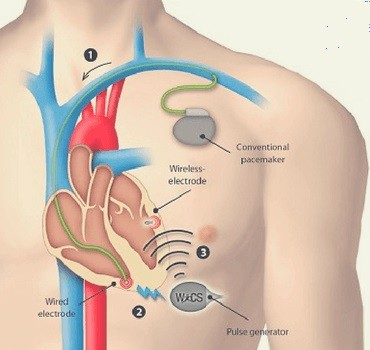
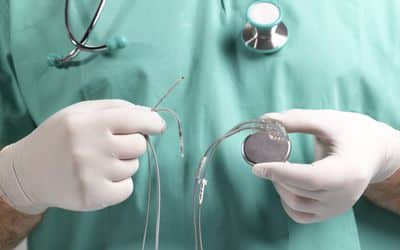
Pacemaker implantation may be recommended when the heart is unable to maintain a normal rhythm or adequate heart rate.
With timely evaluation, pacemaker treatment in Indore can help manage abnormal heart rhythms and support a more active life. Consult Dr. Sarita Rao for personalised cardiac care.
Step 1: Preparation
The procedure is usually performed under local anesthesia with continuous heart monitoring.
Step 2: Small Chest Incision
A small incision is made near the collarbone to access the blood vessels.
Step 3: Lead Placement
Thin pacemaker leads are carefully guided through the blood vessels into the heart chambers using imaging guidance.
Step 4: Device Implantation
The pulse generator is placed beneath the skin in a small pocket created under the chest tissue.
Step 5: Device Testing & Closure
The pacemaker is tested to ensure proper functioning before the incision is closed.
For patients with certain rhythm disorders, pacemakers can help maintain an appropriate heart rate, reduce symptoms related to slow heart rhythms, and support daily activities. Heart block treatment in Indore should be guided by a cardiac specialist.
Pacemaker implantation is considered a safe and commonly performed cardiac procedure when conducted by experienced specialists.
Although complications are uncommon, possible risks may include:
Dr. Sarita Rao follows advanced procedural protocols, imaging guidance, and careful post-procedure monitoring to ensure patient safety and successful device functioning.
Most patients recover well after pacemaker implantation and gradually return to normal activities within a few weeks.
Regular follow-up helps ensure proper pacemaker functioning and long-term heart rhythm management.
The procedure is usually performed under local anesthesia and most patients experience only mild discomfort during recovery.
Yes. Most patients return to normal daily activities and experience significant improvement in symptoms after implantation.
Yes. Angiography is commonly performed in elderly patients under careful monitoring and appropriate medical supervision.
Pacemaker implantation generally takes around 1 to 2 hours depending on procedural complexity.
A pacemaker helps regulate abnormal heart rhythm but does not directly prevent heart attacks caused by blocked arteries.
Most patients can gradually return to exercise and physical activity after recovery as advised by their cardiologist.
Far far away, behind the word mountains, far from the countries Vokalia and Consonantia, there live the blind texts. Separated they live in Bookmarksgrove right at the coast
Far far away, behind the word mountains, far from the countries Vokalia and Consonantia, there live the blind texts. Separated they live in Bookmarksgrove right at the coast
Far far away, behind the word mountains, far from the countries Vokalia and Consonantia, there live the blind texts. Separated they live in Bookmarksgrove right at the coast
Far far away, behind the word mountains, far from the countries Vokalia and Consonantia, there live the blind texts. Separated they live in Bookmarksgrove right at the coast
Far far away, behind the word mountains, far from the countries Vokalia and Consonantia, there live the blind texts. Separated they live in Bookmarksgrove right at the coast
Far far away, behind the word mountains, far from the countries Vokalia and Consonantia, there live the blind texts. Separated they live in Bookmarksgrove right at the coast