Tag: Interventional Cardiologist in Indore

  • Home / Interventional Cardiologist in Indore
cardiologist- heart attack-obesity

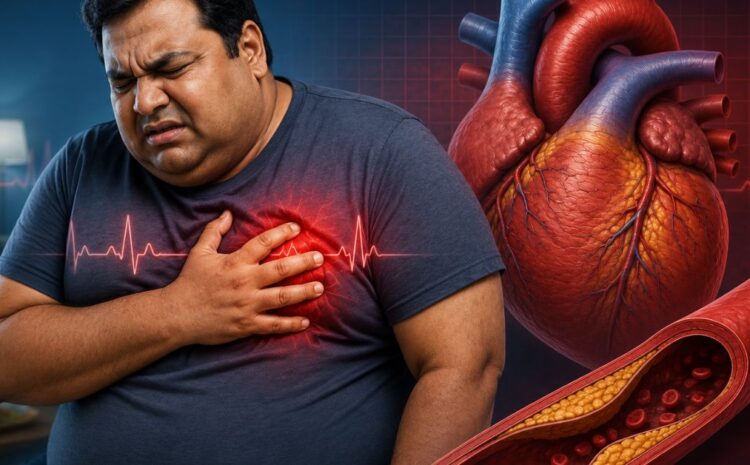
How Obesity Can Quietly Damage Your Heart

Obesity is not only about body size. It is a silent health condition that can slowly affect the heart, blood vessels, blood pressure, sugar levels, cholesterol balance, sleep quality, and overall stamina. Many people feel normal for years, but inside the body, extra fat may keep increasing pressure on the heart. The real danger is […]

cardiologist- heart attack

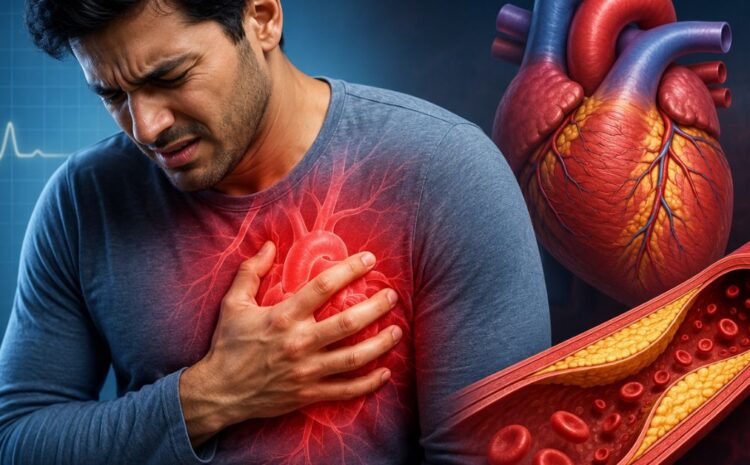
Can Young Adults Have a Heart Attack?

Heart Problems Are No Longer Only an Older Person’s Concern— young adults can have a heart attack. Many people in their 20s, 30s, and early 40s believe chest pain, breathlessness, sweating, or sudden fatigue is due to stress, acidity, anxiety, or lack of sleep. This delay can be dangerous because a heart attack needs urgent […]

Silent Heart Attack

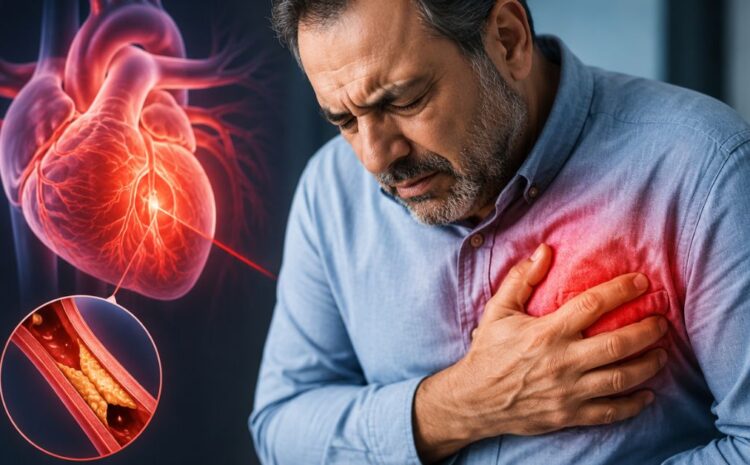
Silent Heart Attack

When most people think of a heart attack, they imagine sudden, severe chest pain. However, not every heart attack announces itself so clearly. A silent heart attack can occur without the classic symptoms, making it difficult to recognize. Many people mistake the warning signs for indigestion, fatigue, muscle strain, or stress, delaying life-saving treatment. If […]

best Cardiologist in Indore

Why Do Heart Attacks Increase in Summer?

What if the season you associate with sunshine, vacations, and freedom is quietly putting extra pressure on your heart? Most people never suspect that extreme summer heat can trigger serious cardiac events—even in seemingly healthy individuals. Yet hospitals often report a rise in heart-related emergencies during peak temperatures. For anyone searching for one of the […]

Top Cardiologist in Indore

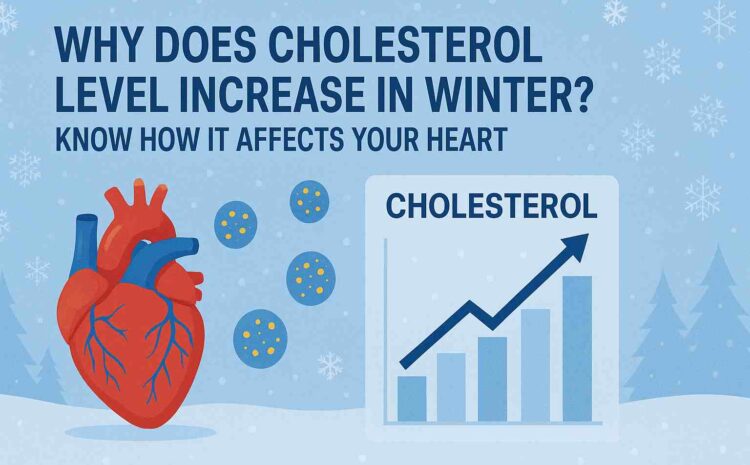
Dr Sarita Rao – Why Does Cholesterol Level Increase in Winter? Know How It Affects Your Heart

As the mercury dips, many of us mistakenly believe our cardiovascular risk drops too — yet the opposite happens. Research shows that cholesterol levels, especially “bad” low‑density lipoprotein (LDL) and non‑HDL cholesterol, tend to rise during winter. In a study of more than 2.8 million adults, average LDL and non‑HDL cholesterol levels were higher in colder […]