
Benefits of Transcatheter Aortic Valve Implantation (TAVI) for Elderly Patients
Heart valve disease — especially severe aortic stenosis — is a growing concern among the elderly. With age‑related wear and degeneration, the valve that controls blood flow from the heart to the rest of the body can stiffen and narrow, forcing the heart to work harder just to circulate blood. Traditionally, this condition meant major open‑heart surgery, long hospital stays, and significant recovery time — factors that many older patients simply cannot withstand. But today, thanks to innovations in heart care, a minimally invasive solution is giving hope to seniors globally.
One such breakthrough is Transcatheter Aortic Valve Implantation (TAVI) — a procedure that replaces a diseased aortic valve without the trauma of open surgery. At the forefront of delivering this advanced care in Central India is Dr. Sarita Rao, recognised as one of the best cardiologists in Indore with extensive expertise in interventional cardiology and structural valve therapies.
Understanding TAVI Treatment
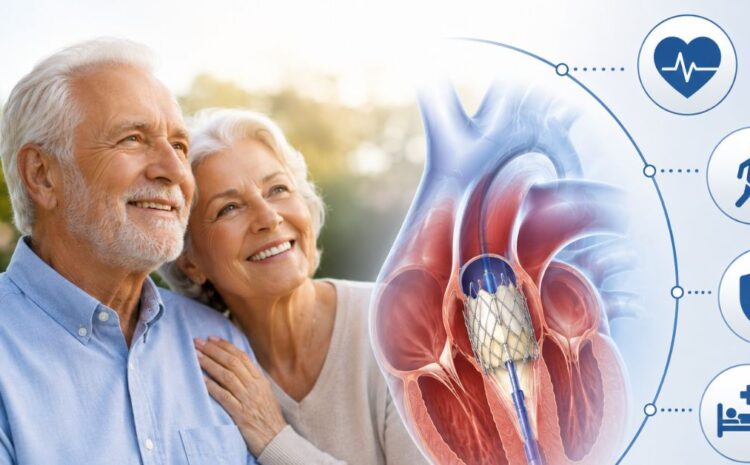
TAVI (also known as TAVR) involves guiding a new valve into the heart via a thin catheter inserted through an artery — usually in the groin or near the collarbone. Once in place, the replacement valve expands and takes over the function of the diseased valve. Because it avoids major incisions and extensive anesthesia, the procedure is ideal for elderly patients and those considered high‑risk for traditional surgery.
This innovation is not just a technical advancement — it’s a life‑changing option for patients who otherwise might have had limited treatment choices.
Why TAVI Stands Out for Elderly Patients
1. Minimally Invasive Approach, Maximum Impact
Unlike open‑heart surgery that requires large incisions and sternotomy, TAVI is performed through a small catheter, significantly reducing the physical stress on the body. For seniors who may have weakened immune systems or multiple health conditions, this less invasive approach dramatically lowers the procedural risk.
2. Shorter Hospital Stay and Faster Recovery
Traditional valve surgery often involves a hospital stay of 7–10 days, with weeks of rehabilitation afterwards. With TAVI, many patients leave the hospital in a few days and begin activities sooner, allowing them to return to their daily routines with minimal disruption.
3. Reduced Risk of Complications
Because TAVI avoids opening the chest and reduces general anesthesia exposure, the chances of complications such as bleeding, infection, and prolonged ICU care are significantly lower — a crucial benefit for older adults.
4. Improved Quality of Life
Severe aortic stenosis often manifests as shortness of breath, fatigue, dizziness, and a marked decline in physical capability. Post‑TAVI, many patients report improved energy levels, better exercise tolerance, and reduced symptoms — all of which contribute to enhanced quality of life and independence.
5. Personalized Care from an Expert Cardiologist
Choosing the right heart specialist is just as important as the procedure itself. For those seeking TAVI treatment in Indore, Dr. Sarita Rao combines deep clinical knowledge, decades of interventional cardiology experience, and a compassionate, patient‑focused approach. She has pioneered numerous advanced cardiac interventions and is one of the most respected heart doctors in the region.
TAVI — Less Risk, Faster Recovery, and Better Quality of Life
For elderly patients facing the challenge of severe aortic valve disease, TAVI represents more than just a procedure — it’s a chance to regain strength, comfort, and longevity without the burdensome recovery of traditional surgery. With expert guidance from Dr. Sarita Rao, and optimal care, this minimally invasive heart therapy opens up new horizons in cardiovascular treatment, especially for those who need it most.
If you’re exploring heart valve solutions, TAVI treatment in Indore with a trusted specialist can make all the difference.
Frequently Asked Questions (FAQs)
1. What is TAVI, and how does it differ from traditional surgery?
TAVI (Transcatheter Aortic Valve Implantation) is a minimally invasive valve replacement done via catheter, while traditional surgery requires opening the chest and stopping the heart. TAVI offers reduced recovery time and lower procedural stress for suitable patients.
2. Who is a candidate for TAVI?
TAVI is often recommended for elderly patients with severe aortic stenosis who are at higher risk for open‑heart surgery due to age, frailty, or other medical conditions. A cardiologist assesses each case individually.
3. Is TAVI safe for older adults?
Yes — when performed by experienced heart teams, TAVI has proven to be a safe alternative with fewer complications, especially for patients who are not ideal candidates for surgery.
4. How soon can one resume normal activities after TAVI?
Many patients resume daily activities within days to weeks after the procedure, depending on overall health and individual recovery.
5. Why choose a specialist for TAVI treatment in Indore?
Experienced cardiologists Dr. Sarita Rao, bring deep expertise and personalized care to the procedure, ensuring optimal outcomes and support throughout the treatment journey
Write a Comment