
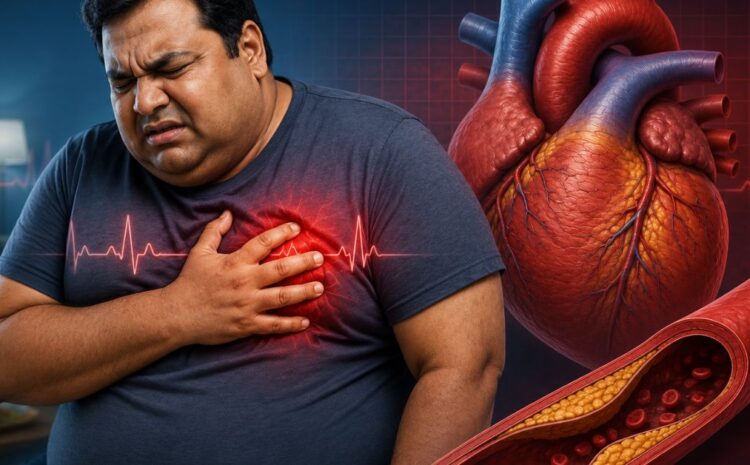
How Obesity Can Quietly Damage Your Heart
Obesity is not only about body size. It is a silent health condition that can slowly affect the heart, blood vessels, blood pressure, sugar levels, cholesterol balance, sleep quality, and overall stamina. Many people feel normal for years, but inside the body, extra fat may keep increasing pressure on the heart.
The real danger is that heart damage does not always begin with chest pain. It may start with breathlessness while climbing stairs, tiredness after light activity, swelling in the legs, disturbed sleep, or uncontrolled blood pressure. These early signs are often ignored until the problem becomes serious.
Why Excess Weight Is Hard on the Heart
When body weight increases, the heart has to work harder to pump blood. This constant workload can make the heart muscle thick, weak, or strained over time. Extra fat around the belly is especially risky because it is linked with inflammation, insulin resistance, high triglycerides, and poor cholesterol control.
Obesity may also raise blood pressure. High pressure inside the arteries damages their inner lining and makes them less flexible. Over time, fatty deposits can collect inside the vessels. This may reduce blood flow to the heart and increase the chance of coronary artery disease, heart attack, or heart failure.
Another hidden concern is diabetes. Obesity is strongly connected with type 2 diabetes, and diabetes can damage blood vessels silently. When high sugar, high cholesterol, and high blood pressure occur together, the heart faces a much greater burden.
Sleep apnea is another common issue in overweight individuals. During sleep, breathing may stop repeatedly for short periods. This lowers oxygen levels and places stress on the heart at night. A person may wake up tired, feel sleepy during the day, or experience morning headaches.
Warning Signs You Should Not Ignore
You should consult a heart specialist if you notice chest discomfort, shortness of breath, dizziness, sweating, unusual fatigue, palpitations, swelling in feet, or pain spreading to the arm, jaw, neck, or back. People with obesity, smoking history, diabetes, high cholesterol, family history, or abnormal blood pressure should be more careful.
Dr. Sarita Rao, Senior Interventional Cardiologist at Apollo Hospitals, Indore, is known for advanced cardiac care, preventive heart management, and interventional procedures. For people searching for Dr Sarita Rao in India, cardiologist or cardiology in India, her practice focuses on accurate diagnosis, timely treatment, and long-term heart protection.
How to Protect Your Heart
The first step is not crash dieting. The goal is steady, safe, and sustainable improvement. Start with a heart-friendly plate that includes vegetables, fruits, pulses, whole grains, nuts, lean protein, and less fried food. Reduce sugary drinks, refined flour, processed snacks, and excess salt.
Physical activity also matters. Walking, cycling, swimming, yoga, or supervised exercise can improve circulation and support weight control. Begin slowly if you are inactive, especially if you already have breathlessness or chest discomfort.
Regular health checks are essential. Monitor blood pressure, fasting sugar, HbA1c, cholesterol, waist size, and body mass index. A cardiology consultation can help detect hidden risks before they turn into emergencies.
Obesity damages the heart quietly, but prevention can begin today. Small daily changes, early testing, and expert guidance can protect your heart for many years.
FAQs
1. Can obesity cause heart disease even without symptoms?
Yes. Obesity can silently increase blood pressure, cholesterol, diabetes risk, and artery blockage before clear symptoms appear.
2. Is belly fat more dangerous for the heart?
Yes. Abdominal fat is closely linked with inflammation, insulin resistance, and higher cardiac risk.
3. When should an overweight person see a cardiologist?
A visit is advised if there is chest pain, breathlessness, dizziness, palpitations, high blood pressure, diabetes, or family history.
4. Can weight loss improve heart health?
Yes. Even gradual weight reduction can support better blood pressure, sugar control, stamina, and cholesterol levels.
5. What is the safest way to begin heart protection?
Start with medical screening, balanced eating, regular walking, stress control, proper sleep, and guidance from a qualified cardiologist.
Read Blog: https://drsaritaraocardiologist.com/how-obesity-in-india-is-the-rising-cause-of-heart-diseases/
Write a Comment