
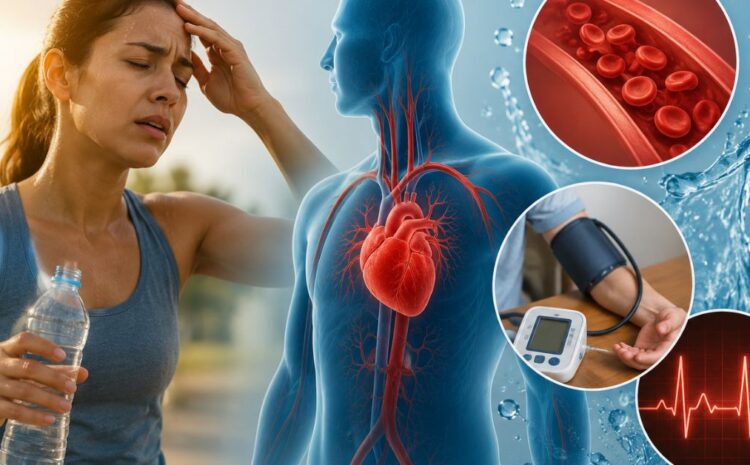
How Dehydration Affects Blood Pressure and Heart Rate
Water plays a major role in keeping the body healthy. From supporting circulation to helping the heart pump blood smoothly, proper hydration is essential for cardiovascular health. Many people ignore early signs of dehydration until symptoms become uncomfortable. However, a lack of fluids can place serious stress on the heart and blood vessels.
According to medical experts, dehydration may cause sudden changes in blood pressure and increase heart rate as the body struggles to maintain normal circulation.
If you frequently feel dizzy, tired, or experience a racing heartbeat, it may be time to pay attention to your fluid intake and heart health. Consulting the Dr. Sarita Rao one of best heart specialist in Indore can help identify underlying cardiovascular concerns before complications develop.
Understanding Dehydration
Dehydration occurs when the body loses more fluids than it receives. This can happen because of excessive sweating, hot weather, vomiting, diarrhea, fever, heavy exercise, or simply not drinking enough water throughout the day.
Since blood contains a high percentage of water, low fluid levels reduce blood volume. When blood volume drops, the heart has to work harder to circulate oxygen and nutrients across the body.
This additional pressure may affect both blood pressure and heart rhythm.
How Dehydration Impacts Blood Pressure
One of the biggest effects of dehydration is fluctuation in blood pressure.
Low Blood Pressure
When the body lacks fluids, the amount of circulating blood decreases. This may lead to low blood pressure, also called hypotension. People often experience:
- Dizziness
- Blurred vision
- Weakness
- Fainting sensation
- Fatigue
Reduced blood flow means organs may not receive enough oxygen efficiently. Severe dehydration can even become a medical emergency if ignored.
High Blood Pressure
Many people are surprised to learn that dehydration can also increase blood pressure. When fluid levels fall, the body releases hormones that tighten blood vessels to conserve water. This narrowing raises pressure inside the arteries.
For individuals already managing hypertension, dehydration may worsen the condition and increase cardiovascular strain.
Seeking guidance from Dr. Sarita Rao, a cardiologist, can help patients understand how hydration habits influence long-term heart health.
Why Heart Rate Increases During Dehydration
The heart depends on proper blood volume to function efficiently. During dehydration, there is less fluid available for circulation. To compensate, the heart beats faster to maintain oxygen delivery throughout the body.
This faster heartbeat may feel like:
- Heart palpitations
- Fluttering sensation
- Rapid pulse
- Chest discomfort
- Shortness of breath
Electrolyte imbalance caused by dehydration can also disturb the heart’s electrical activity, increasing the possibility of irregular heartbeat patterns.
Ignoring these warning signs may place additional burden on the cardiovascular system over time.
Common Signs You Should Never Ignore
Many people mistake dehydration symptoms for normal tiredness. Persistent symptoms deserve medical attention, especially if they occur repeatedly.
Watch for:
- Dry mouth
- Dark urine
- Frequent headaches
- Muscle cramps
- Rapid heartbeat
- Lightheadedness
- Extreme tiredness
- Reduced urination
If these symptoms appear alongside chest pain or breathing difficulty, immediate medical evaluation is important.
Consulting Dr. Sarita Rao ensures accurate diagnosis and timely treatment for heart-related concerns.
Who Faces Higher Risk?
Certain individuals are more vulnerable to dehydration-related heart complications, including:
- Elderly adults
- Athletes
- Outdoor workers
- Patients with hypertension
- Individuals with diabetes
- People taking diuretics or blood pressure medicines
Hot climates and long working hours further increase fluid loss, especially during Indian summers.
Visiting a trusted heart specialist in Indore can help high-risk patients monitor cardiovascular function and avoid complications associated with dehydration.
Simple Ways to Protect Your Heart
Maintaining hydration does not require complicated steps. Small daily habits can significantly support cardiovascular wellness.
Drink Water Regularly
Do not wait until thirst becomes intense. Sip water consistently throughout the day.
Increase Fluids During Heat
Hot weather and physical activity increase sweating, which leads to faster fluid loss.
Limit Excess Caffeine and Alcohol
These beverages may contribute to dehydration in some individuals.
Eat Water-Rich Foods
Fruits like watermelon, cucumber, and oranges help maintain hydration naturally.
Monitor Blood Pressure
People with hypertension should regularly track blood pressure levels, especially during summer months.
The best cardiologist in Indore can also recommend personalized hydration and heart care strategies based on medical history and lifestyle.
Final Thoughts
Dehydration may seem harmless initially, but it can seriously influence blood pressure and heart rate. Reduced blood volume forces the heart to work harder, increasing cardiovascular stress and triggering symptoms such as dizziness, rapid heartbeat, and fatigue.
Staying properly hydrated is one of the simplest ways to support heart function and maintain stable circulation. However, recurring symptoms should never be ignored.
For expert cardiac evaluation and preventive care, consulting Dr. Sarita Rao can help patients protect their heart health with timely medical guidance from a trusted heart specialist in Indore.
Read More Health Blogs: https://drsaritaraocardiologist.com/blogs/
Write a Comment