

RiForm PRO is an advanced plaque modification technology designed to treat severely calcified coronary artery blockages that may be difficult or impossible to cross using conventional angioplasty balloons or imaging catheters.
Developed to address some of the most challenging coronary lesions, RiForm PRO combines the advantages of both orbital and rotational atherectomy technologies into a single platform. The system helps modify hardened calcium deposits within coronary arteries, creating a safer pathway for successful angioplasty and stent implantation.
Its innovative design allows effective calcium ablation at lower operating speeds while providing enhanced procedural control and efficiency.
RiForm PRO represents the next generation of complex coronary intervention technology, helping interventional cardiologists treat heavily calcified lesions that were previously considered extremely challenging.
The procedure is usually performed after angioplasty, where a balloon catheter is used to widen the blocked artery. Once the artery is expanded, a small metal mesh tube called a stent is placed inside the artery to act as a scaffold and help maintain proper blood circulation.
Modern coronary stents may include drug-eluting technology, which slowly releases medication to help reduce the risk of the artery narrowing again, also known as restenosis.
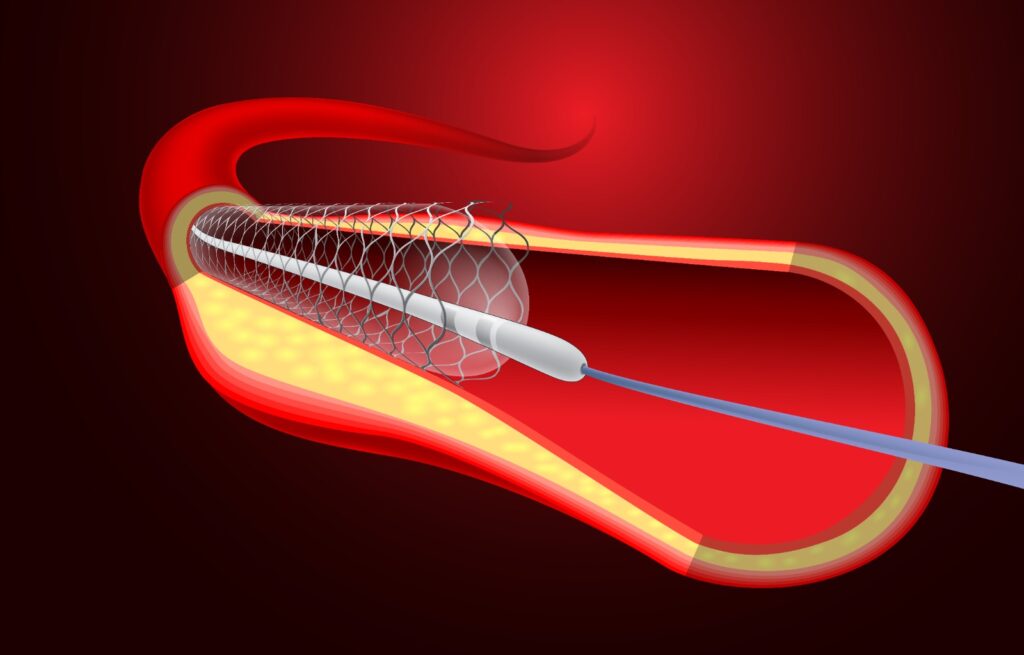
RiForm PRO may be recommended for patients with severe coronary artery calcification where conventional angioplasty techniques are unlikely to succeed.
Early treatment of heavily calcified lesions improves the success of angioplasty and stent implantation while restoring healthy blood flow to the heart.
The device offers excellent deliverability and allows operators to cross difficult lesions efficiently during the initial stages of the procedure.
RiForm PRO combines forward, backward, and circumferential motion to provide comprehensive plaque modification and calcium treatment.
The technology achieves efficient plaque modification while operating at lower rotational speeds compared to conventional systems.
Unlike some plaque modification systems, RiForm PRO operates without external gas cylinders, simplifying procedural workflow.
The system is designed to improve procedural efficiency and ease of use during complex coronary interventions.
RiForm PRO integrates the advantages of both orbital atherectomy and rotational atherectomy technologies into a single treatment platform.
Step 1: Preparation
The procedure is performed under local anesthesia with continuous cardiac monitoring.
Step 2: Coronary Artery Access
A catheter is inserted through the wrist or groin artery and guided toward the calcified coronary blockage.
Step 3: Device Advancement
The RiForm PRO system is carefully advanced across the calcified lesion.
Step 4: Plaque Modification
The device modifies hardened calcium deposits using advanced dual-motion ablation technology.
Step 5: Vessel Preparation
The artery becomes more compliant and suitable for further intervention.
Step 6: Angioplasty & Stent Placement
Once the lesion is adequately prepared, angioplasty and stent implantation are performed to restore blood flow.
By keeping a narrowed coronary artery open, stent implantation can improve blood flow and help reduce symptoms of coronary artery disease. Consult Dr. Sarita Rao for personalised treatment guidance in Indore.
Coronary stent implantation is considered a safe and highly effective cardiac procedure when performed by experienced interventional cardiologists.
Although complications are uncommon, possible risks may include:
Dr. Sarita Rao uses advanced stent technologies, modern imaging guidance, and evidence-based treatment protocols to ensure optimal safety and successful outcomes.
Most patients recover quickly after coronary stent implantation and gradually return to routine activities within a few days.
Lifestyle modification and preventive cardiac care are essential for maintaining long-term stent success and heart health.
A coronary stent helps keep narrowed or blocked heart arteries open and restores healthy blood flow to the heart muscles.
The procedure is generally performed under local anesthesia and most patients experience only mild discomfort.
Most coronary stents are designed to remain permanently inside the artery and provide long-term blood flow support.
Angioplasty widens the blocked artery using a balloon, while stent implantation involves placing a metal mesh tube to keep the artery open.
In some cases, arteries may narrow again over time, which is why medications and lifestyle changes are important after the procedure.
Most patients recover within a few days and gradually resume normal activities based on medical advice.
Far far away, behind the word mountains, far from the countries Vokalia and Consonantia, there live the blind texts. Separated they live in Bookmarksgrove right at the coast
Far far away, behind the word mountains, far from the countries Vokalia and Consonantia, there live the blind texts. Separated they live in Bookmarksgrove right at the coast
Far far away, behind the word mountains, far from the countries Vokalia and Consonantia, there live the blind texts. Separated they live in Bookmarksgrove right at the coast
Far far away, behind the word mountains, far from the countries Vokalia and Consonantia, there live the blind texts. Separated they live in Bookmarksgrove right at the coast
Far far away, behind the word mountains, far from the countries Vokalia and Consonantia, there live the blind texts. Separated they live in Bookmarksgrove right at the coast
Far far away, behind the word mountains, far from the countries Vokalia and Consonantia, there live the blind texts. Separated they live in Bookmarksgrove right at the coast