
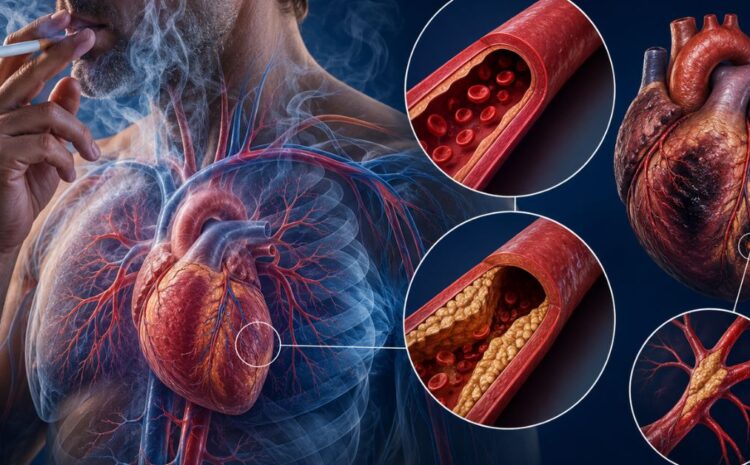
How Smoking Damages Your Heart and Blood Vessels
Many people associate smoking with breathing problems and lung disease. However, tobacco smoke also harms the heart and blood vessels from the first puff. The damage may develop silently for years before symptoms become noticeable. A person may feel healthy while their arteries are gradually becoming narrower and less flexible.
Smoking is a major cause of cardiovascular disease. According to the Centers for Disease Control and Prevention (CDC), it contributes to approximately one in every four deaths caused by cardiovascular disease. Smoking significantly increases the risk of heart attack, stroke, and peripheral artery disease, while even exposure to secondhand smoke can negatively impact heart health. To reduce these risks, quitting smoking and adopting a heart-healthy lifestyle are essential. If you have concerns about your cardiovascular health, consulting one of the best heart specialists in Indore, such as Dr. Sarita Rao, can help with early diagnosis, prevention, and effective management of heart-related conditions.
What happens inside your body when you smoke?
Cigarette smoke contains harmful chemicals that enter the bloodstream through the lungs. Nicotine increases the heart rate and raises blood pressure. Carbon monoxide reduces the amount of oxygen that the blood can carry. As a result, the heart must work harder to supply oxygen to the body.
Smoking also damages the inner lining of the blood vessels. When this protective lining becomes weak, fatty deposits can collect more easily inside the arteries. Over time, these deposits form plaque, causing a condition known as atherosclerosis. The arteries gradually become harder and narrower, reducing blood flow to important organs.
Another major concern is blood clot formation. Smoking makes the blood stickier and more likely to clot. A clot can suddenly block an artery supplying the heart, causing a heart attack. If it blocks blood flow to the brain, it may lead to a stroke.
Warning signs you should not ignore
Smoking-related heart problems may not always cause early symptoms. However, chest pain, breathlessness, unusual tiredness, dizziness, palpitations, or discomfort spreading to the arm, jaw, shoulder, or back should never be ignored. Some people may also experience pain or heaviness in the legs while walking, which can indicate reduced circulation.
Anyone experiencing severe chest pain, sudden breathing difficulty, fainting, or stroke-like symptoms should seek emergency medical attention immediately. Prompt diagnosis and treatment can be life-saving and help prevent serious complications. For ongoing heart care, risk assessment, and cardiovascular treatment, consulting one of the best heart specialists in Indore, such as Dr. Sarita Rao, can help ensure expert management of heart-related conditions and long-term heart health.
The encouraging news: quitting makes a difference
Quitting smoking is one of the most important steps you can take for your heart. It reduces the risk of future cardiovascular disease and benefits people who have already been diagnosed with heart problems.
Start with a practical plan. Choose a quit date, identify situations that trigger the urge to smoke, and seek support from family members. Avoid places or routines strongly associated with cigarettes during the initial weeks. Regular physical activity, adequate sleep, and healthy snacks can also help manage cravings.
Some people may require professional support, counselling, or doctor-recommended treatment to quit successfully. A cardiovascular health check-up is equally important, especially for long-term smokers or people with diabetes, high blood pressure, high cholesterol, or a family history of heart disease.
For personalised guidance, consult Dr. Sarita Rao, a Senior Interventional Cardiologist at Apollo Hospitals, Indore, with over 25 years of experience in advanced cardiac care. Patients searching for one of the best heart specialists in Indore or one of the best interventional cardiologists in India can seek expert advice for preventive heart care, diagnosis, and treatment.
Frequently asked questions
1. Can occasional smoking damage the heart?
Yes. Even occasional smoking exposes the heart and blood vessels to harmful chemicals. There is no safe level of cigarette smoking.
2. Does secondhand smoke affect heart health?
Yes. People who do not smoke can still face an increased risk of heart disease and stroke when regularly exposed to tobacco smoke.
3. Can quitting smoking improve heart health after many years?
Yes. Quitting is beneficial at any stage. It can reduce cardiovascular risk and improve overall health, even for long-term smokers.
4. Are vaping and e-cigarettes safe for the heart?
They should not be treated as harmless alternatives. Nicotine can increase heart rate and blood pressure. Discuss a safe quitting strategy with a doctor.
5. When should a smoker consult a cardiologist?
A smoker should consider a cardiac evaluation if they have chest discomfort, breathlessness, palpitations, high blood pressure, diabetes, high cholesterol, or a family history of heart disease. Emergency symptoms require immediate medical care. Every Cigarette Affects the Vessels
Write a Comment