
Understanding Fatty Plaque: How Arteries Get Blocked
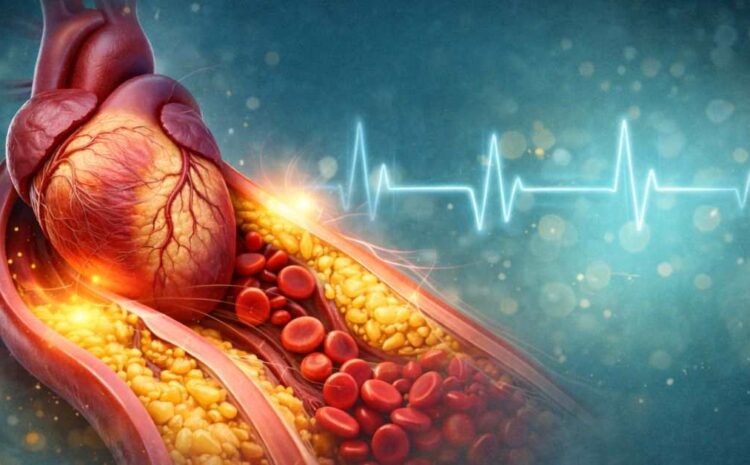
The heart works every moment to keep blood flowing across the body. Arteries act like smooth pipes that carry this blood. Trouble begins when fatty material slowly sticks to the inner lining of these arteries. This buildup is known as fatty plaque, and it can quietly affect heart health over time.
If you notice symptoms like chest discomfort, breathlessness, or unusual fatigue, it is important to seek timely medical advice. Consulting one of the cardiologist in Indore, Dr. Sarita Rao.
What Is Fatty Plaque?
Fatty plaque forms when cholesterol, fat, and waste particles settle inside artery walls. As this layer thickens, the space for blood flow becomes smaller. Reduced blood movement means less oxygen reaches vital organs, including the heart itself.
The process begins quietly and slowly:
- Cholesterol and Fats in Blood: When cholesterol levels are high, especially LDL (bad cholesterol), these fats can lodge inside the artery wall.
- Inflammation and Cell Response: White blood cells try to clean up the trapped fats, but sometimes get stuck themselves. This causes inflammation and leads to scar tissue.
- Growing Plaque: With continued fat deposition and inflammation, plaque grows larger, thickening the artery wall and narrowing the blood flow pathway.
Over the years, this buildup can make the artery stiff and less flexible, reducing its ability to expand when blood needs to rush through — like during exercise or stress.
How Do Arteries Become Narrow?
Blockages develop gradually. Poor food habits, lack of movement, smoking, high sugar levels, and stress allow fat to stay in the blood longer. These fats slowly attach to artery walls. With time, arteries lose flexibility and blood flow becomes restricted. This can lead to:
- Chest pain (angina)
- Shortness of breath
- Heart attacks
- Weakness and fatigue
Even arteries in the brain, legs, or kidneys can be affected, causing problems such as stroke or limb pain.
Why Is This Condition Serious?
When arteries supplying the heart are affected, the heart must work harder. This may lead to chest discomfort, breathing difficulty, or extreme tiredness. If a blockage suddenly worsens, it can cause a heart attack. Similar buildup in brain arteries can increase stroke risk.
Warning Signs That Need Attention
Many people do not notice symptoms early. As plaque increases, signs such as chest pressure, arm or jaw pain, shortness of breath, dizziness, or unusual weakness may appear. Seeking medical care early can prevent serious outcomes.
Simple Ways to Protect Artery Health
Healthy daily habits make a big difference. Eating fresh meals, staying active, managing weight, and avoiding tobacco help keep arteries clear. Regular health checkups also help identify hidden risks early.
Importance of Expert Heart Care
When symptoms or risks are present, professional evaluation is necessary. Heart tests help detect narrowing early. Proper treatment can slow plaque growth and improve blood circulation. Guidance from an experienced specialist is essential.
About Dr. Sarita Rao
Dr. Sarita Rao is recognized as one of the Cardiologist in Indore for her deep experience and patient-focused care. She is also known as the heart specialist in Indore, trusted by patients for accurate diagnosis and effective treatment.
With more than twenty-five years of clinical experience, Dr. Sarita Rao has managed thousands of heart cases. Her approach combines advanced cardiac knowledge with compassionate communication, helping patients feel confident and informed.
To Conclude,
Fatty plaque may grow silently, but its impact can be serious. Learning how arteries get blocked helps people take timely action. Healthy lifestyle choices, along with expert medical support, can protect the heart long-term. Choosing care from the Cardiologist in Indore and a reliable heart specialist in Indore can truly save lives.
Write a Comment