
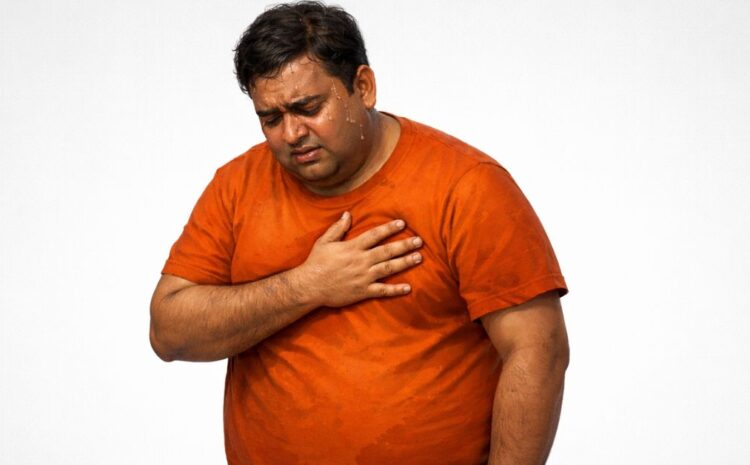
How Obesity in India Is the Rising Cause of Heart Diseases
India is changing rapidly. Our lifestyles, food habits, and daily routines are very different from what they were 20 years ago. While modernization has brought convenience, it has also silently introduced a serious health problem — obesity. Today, obesity in India is not just about weight gain or appearance; it has become one of the leading causes of heart diseases.
The Growing Obesity Problem in India
India is now among the top countries with a rising number of overweight and obese individuals. From children to working professionals and even elderly people, weight-related issues are increasing across all age groups.
The reasons are simple yet alarming:
- Sedentary lifestyle (long sitting hours at desk jobs)
- Increased consumption of fast food and processed meals
- High sugar intake through soft drinks and packaged snacks
- Lack of regular physical activity
- Stress and irregular sleep patterns
Urban areas especially are witnessing a sharp increase in obesity cases. Unfortunately, many people still consider being “slightly overweight” as normal and ignore the long-term health risks.
How Obesity Affects the Heart
Obesity directly impacts heart health in multiple ways. When excess fat accumulates in the body, it does not just sit under the skin — it surrounds vital organs, including the heart.
Here’s how obesity increases heart disease risk:
1. High Blood Pressure
Excess body fat increases resistance in blood vessels. This forces the heart to pump harder, leading to high blood pressure — a major cause of heart attacks and strokes.
2. High Cholesterol
Obesity often raises bad cholesterol (LDL) and lowers good cholesterol (HDL). This leads to plaque buildup in arteries, increasing the risk of blocked arteries.
3. Type 2 Diabetes
Obesity is strongly linked to insulin resistance and diabetes. Diabetes significantly increases the chances of heart disease.
4. Increased Heart Strain
Carrying extra weight means the heart has to work harder to circulate blood throughout the body. Over time, this weakens the heart muscles.
Many patients only visit a cardiologist after experiencing chest pain, breathlessness, or fatigue. But heart damage often begins years before symptoms appear.
Why Indians Are at Higher Risk
Research shows that Indians are genetically more prone to abdominal fat (belly fat), which is particularly dangerous for heart health. Even individuals who may not look extremely overweight can have high internal fat around organs — known as “visceral fat.”
This makes early screening and lifestyle management even more important in India.
Warning Signs You Should Not Ignore
Obesity-related heart problems may show subtle symptoms such as:
- Shortness of breath while climbing stairs
- Frequent tiredness
- Irregular heartbeat
- Swelling in legs
- Chest discomfort
If you notice these signs, consulting a cardiologist early can prevent serious complications.
Preventing Obesity-Related Heart Disease
The good news is that heart diseases caused by obesity are largely preventable. Small lifestyle changes can make a big difference:
- Walk at least 30 minutes daily
- Reduce sugar and processed food intake
- Include fruits, vegetables, and whole grains in your diet
- Maintain healthy sleep patterns
- Manage stress through yoga or meditation
- Get regular health checkups
Even a 5–10% reduction in body weight can significantly improve heart health.
The Role of Early Medical Guidance
Regular checkups help detect high blood pressure, cholesterol, and blood sugar levels early. A qualified cardiologist can guide you with proper screening tests like ECG, stress tests, lipid profiles, and heart scans if required.
Prevention is always better than emergency treatment.
Final Thoughts
Obesity in India is becoming a silent epidemic, and heart disease is one of its most dangerous outcomes. The problem is not just about looking fit — it is about protecting your heart and ensuring a longer, healthier life.
Making mindful lifestyle choices today can save you from serious heart problems tomorrow. Your heart works tirelessly for you every second — it’s time we take care of it too.
Write a Comment