
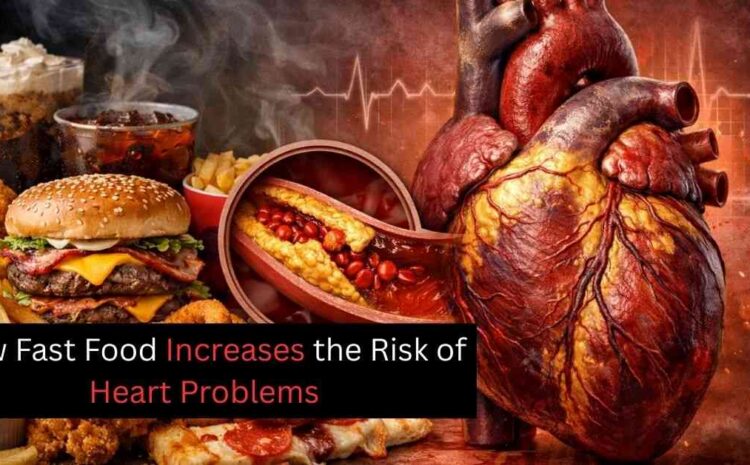
Fast Food, Slow Heart: Understanding Cardiovascular Risks
In today’s fast-paced world, grabbing a quick bite at a fast-food outlet has become the norm rather than the exception. Burgers, fries, fried chicken, pizzas, and sugary beverages are convenient, tasty, and often irresistible. But what we may not realize is that these seemingly harmless indulgences can take a significant toll on our heart health. Understanding the link between fast food consumption and cardiovascular risks is crucial for protecting ourselves and our loved ones.
The Hidden Dangers of Fast Food
Fast food is often high in trans fats, saturated fats, salt, and sugar. While these ingredients make the food flavorful, they are harmful when consumed regularly. Trans fats increase bad cholesterol (LDL) levels, while saturated fats contribute to arterial plaque buildup. Excess salt can raise blood pressure, a leading factor for heart attacks and strokes. Meanwhile, sugary beverages spike blood sugar levels, contributing to insulin resistance and increasing the risk of type 2 diabetes—another major contributor to heart disease.
Eating fast food frequently is not just about calories; it’s about what your body is absorbing at a cellular level. Over time, these eating habits may lead to obesity, high cholesterol, hypertension, and inflammation—all of which are major risk factors for cardiovascular disease.
Recognizing the Warning Signs
The human body often gives subtle signals before a serious heart problem develops. Some early warning signs include:
- Shortness of breath during minimal activity
- Frequent chest discomfort or tightness
- Rapid or irregular heartbeat
- Swelling in the legs, ankles, or feet
- Fatigue that doesn’t seem to go away
If you experience any of these symptoms, it is vital to consult a healthcare professional without delay. For residents in Madhya Pradesh, especially Indore, seeking guidance from one of the best cardiologist in Indore, such as Dr. Sarita Rao, can provide timely intervention and personalized care plans to manage risk factors effectively.
Lifestyle Changes That Protect Your Heart
While occasional indulgence in fast food is unlikely to cause immediate harm, a lifestyle that prioritizes heart health is essential for long-term wellbeing. Here are some steps to consider:
- Adopt a Balanced Diet: Emphasize fresh vegetables, fruits, whole grains, lean proteins, and healthy fats like olive oil and nuts. These foods support healthy cholesterol levels and reduce inflammation.
- Limit Processed Foods: Reducing fast food, fried items, and sugary drinks can significantly lower your cardiovascular risk.
- Stay Active: Aim for at least 30 minutes of moderate physical activity most days of the week. Walking, cycling, swimming, or yoga can strengthen the heart and improve circulation.
- Monitor Your Health: Regular check-ups with a best cardiologist in Madhya Pradesh, like Dr. Sarita Rao, can help detect early signs of heart disease and manage blood pressure, cholesterol, and blood sugar levels.
- Manage Stress: Chronic stress can increase cortisol levels, which may contribute to high blood pressure and heart disease. Techniques such as meditation, deep breathing, and mindfulness can help.
- Avoid Tobacco and Limit Alcohol: Both smoking and excessive alcohol consumption are significant risk factors for cardiovascular disease.
The Role of Medical Guidance
Preventing heart disease is not only about diet and exercise—it’s about proactive health monitoring. Cardiologists can help identify hidden risks such as high cholesterol, arterial plaque buildup, or irregular heart rhythms, even before symptoms appear.
For those in Indore and across Madhya Pradesh, consulting the top cardiologist in Indore, like Dr. Sarita Rao, ensures access to modern diagnostic tools, expert advice, and personalized treatment plans. Whether it’s a routine check-up or managing existing conditions, professional guidance can make a life-saving difference.
Building Heart-Healthy Habits
Making gradual, sustainable changes is key. Here are some practical tips to reduce fast-food consumption without feeling deprived:
- Plan meals ahead: Prepare healthy snacks and meals to avoid impulsive fast-food choices.
- Cook at home: Experiment with heart-friendly recipes that are tasty and nutritious.
- Choose wisely when eating out: Opt for grilled or baked options, salads, and water instead of sugary drinks.
- Practice portion control: If you do indulge in fast food, consider smaller portions or share with someone.
Remember, heart health is a lifelong journey. Small, consistent changes in diet, exercise, and stress management can drastically reduce your risk of cardiovascular disease.
Fast food may be fast and convenient, but heart disease is slow and silent—often developing over years of poor lifestyle choices. By understanding the risks, listening to our bodies, and adopting heart-healthy habits, we can protect ourselves from serious cardiovascular problems.
Regular consultations with the top cardiologist in Indore, Dr. Sarita Rao, can provide expert guidance and ensure that our hearts remain strong, resilient, and healthy for years to come.
Write a Comment